Breaking the fall: Top strategies to prevent slips, trips, and falls
Slips, trips, and falls are leading causes of injury in construction. Proper training, awareness, and gear can prevent accidents and protect your team.


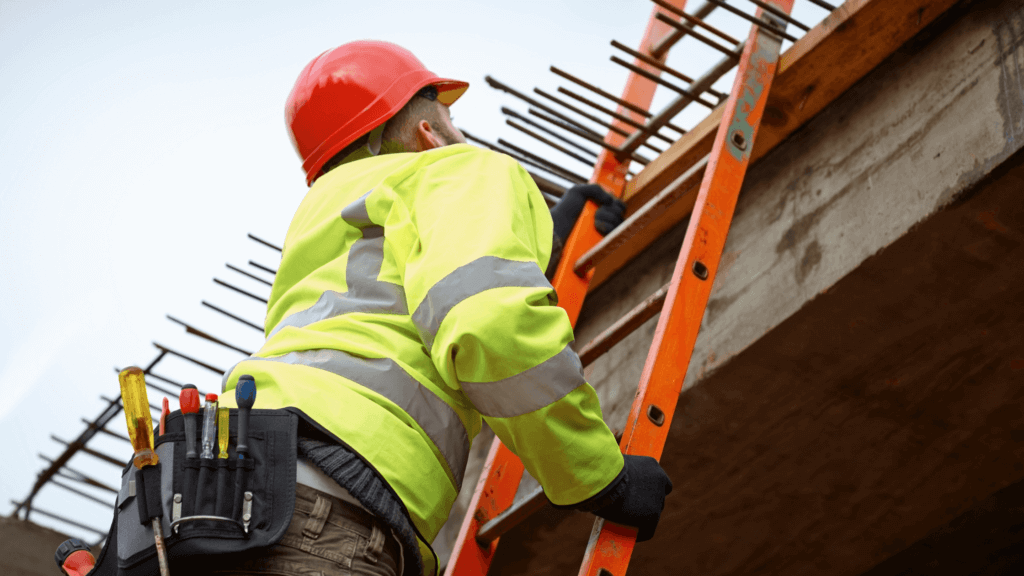
Slips, trips, and falls are leading causes of injury in construction. Proper training, awareness, and gear can prevent accidents and protect your team.
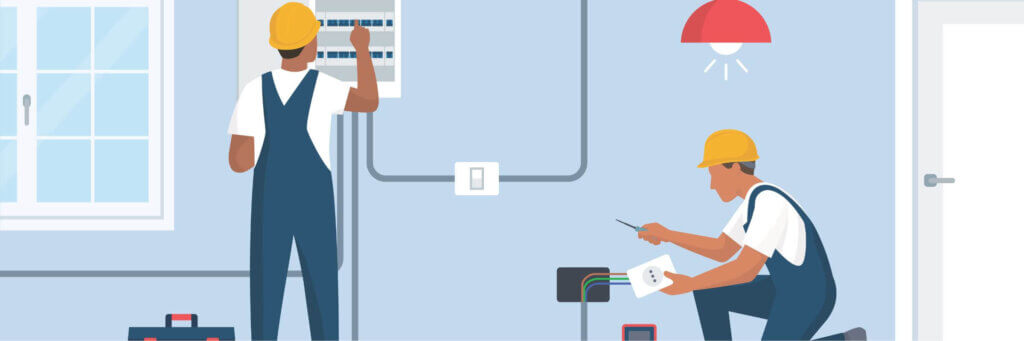
ESFI reports 1,940 workplace electrical fatalities from 2011 to 2023, with the construction industry contributing the most.

Distributed fiber optic sensing improves material usage, reduces waste, and improves safety, promoting a circular economy in construction.
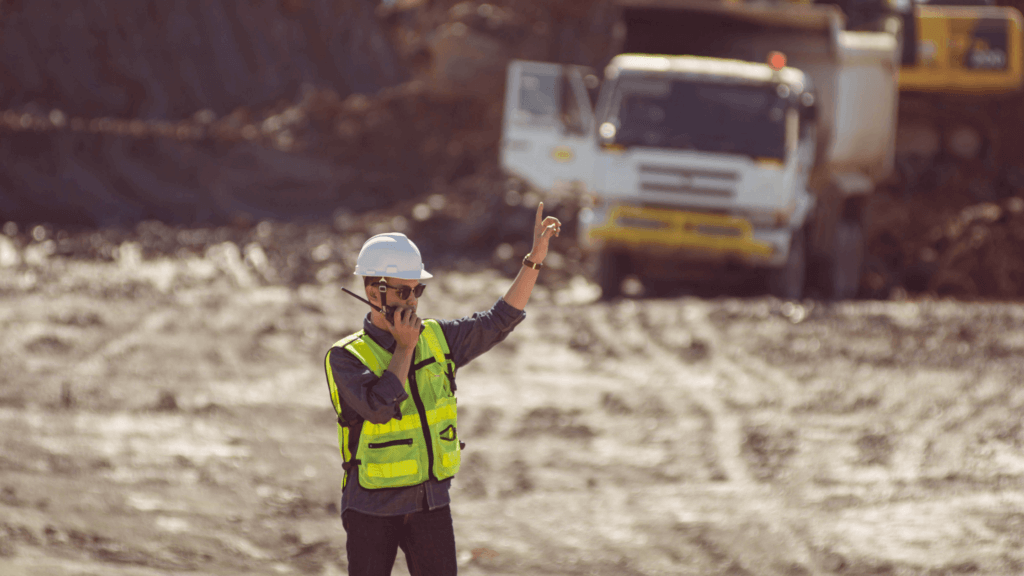
Clear and effective safety communication minimizes workplace hazards, reduces accidents, and ensures everyone is informed on job site risks and protocols.
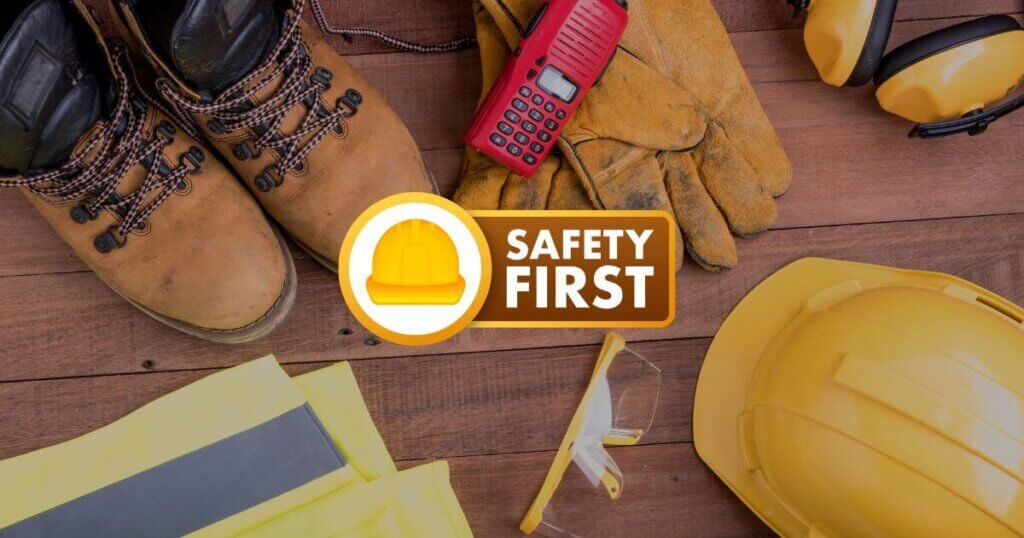
Proactive safety measures, proper training, and hazard prevention strategies can help minimize workplace injuries and create a safer job site.
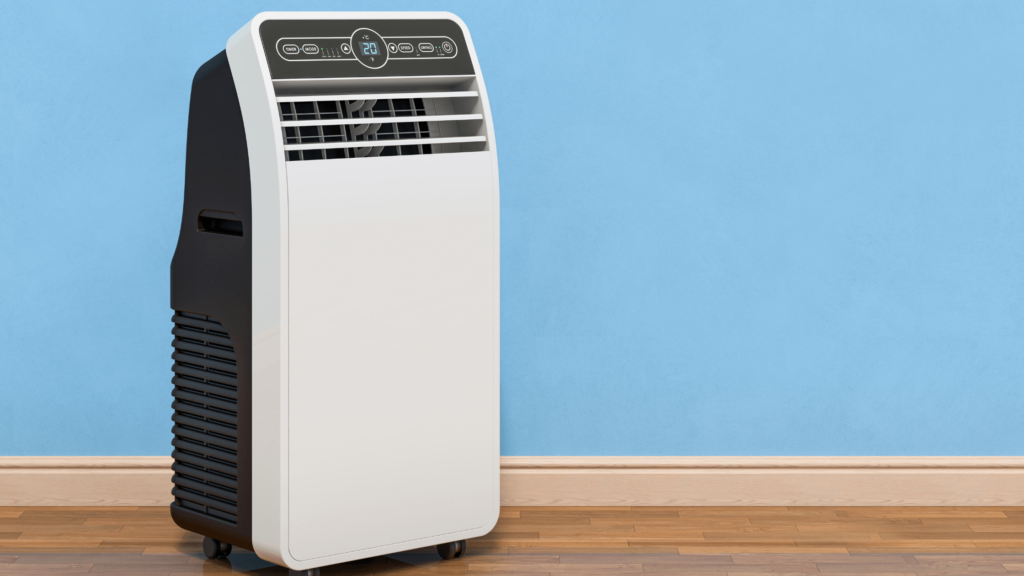
Whether on-site or in the office, these units deliver powerful cooling, portability, and durability tailored to the demands of construction.

A new report reveals there is a safety crisis in U.S. manufacturing that requires new training and policies to protect workers.
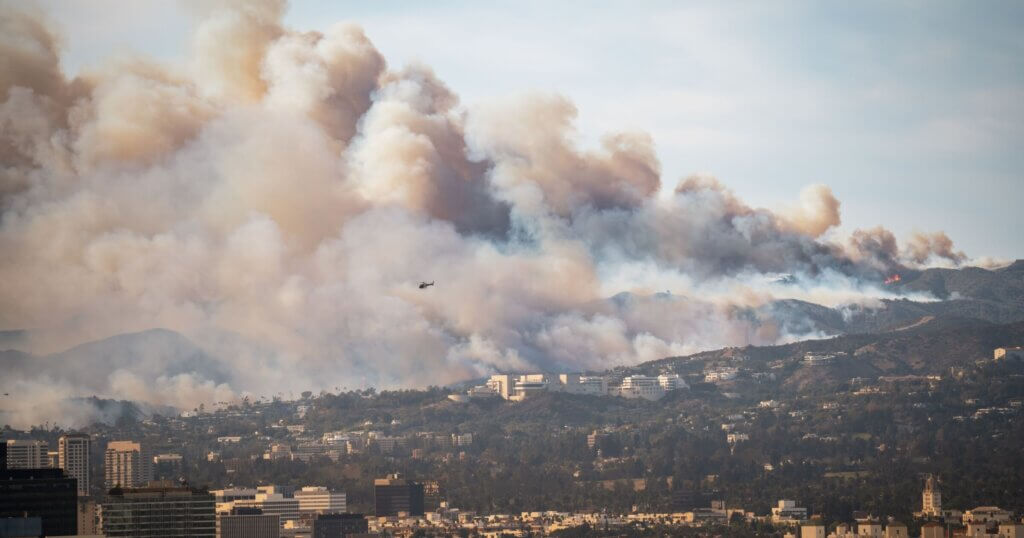
Homes that survived the LA fires had fire-resilient design, like concrete walls, Class A roofs, ember-resistant vents, and defensible space.
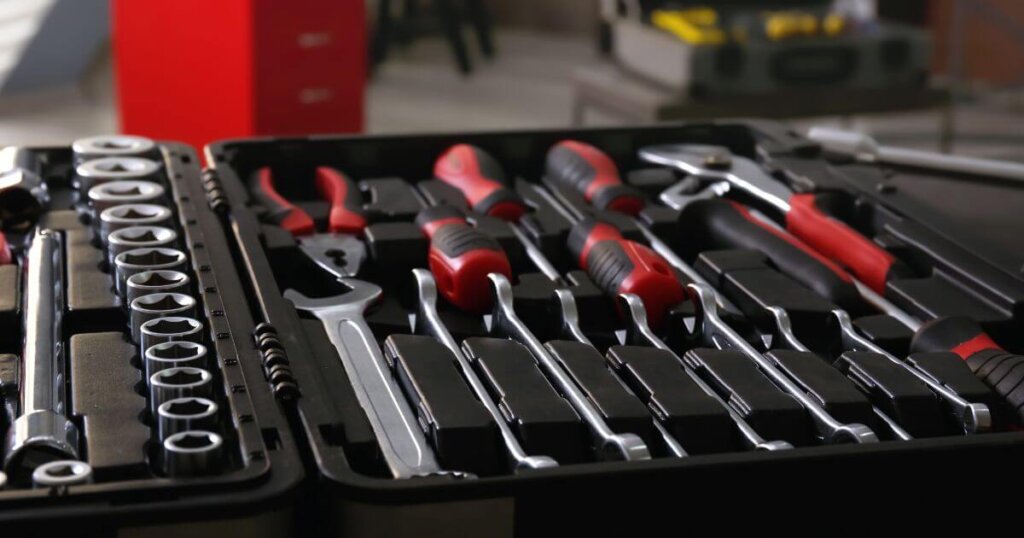
Stay ready for anything with this must-have list of DeWALT gear to keep in your car, like the DXAEJ14 jump starter and DCL043 LED spotlight.
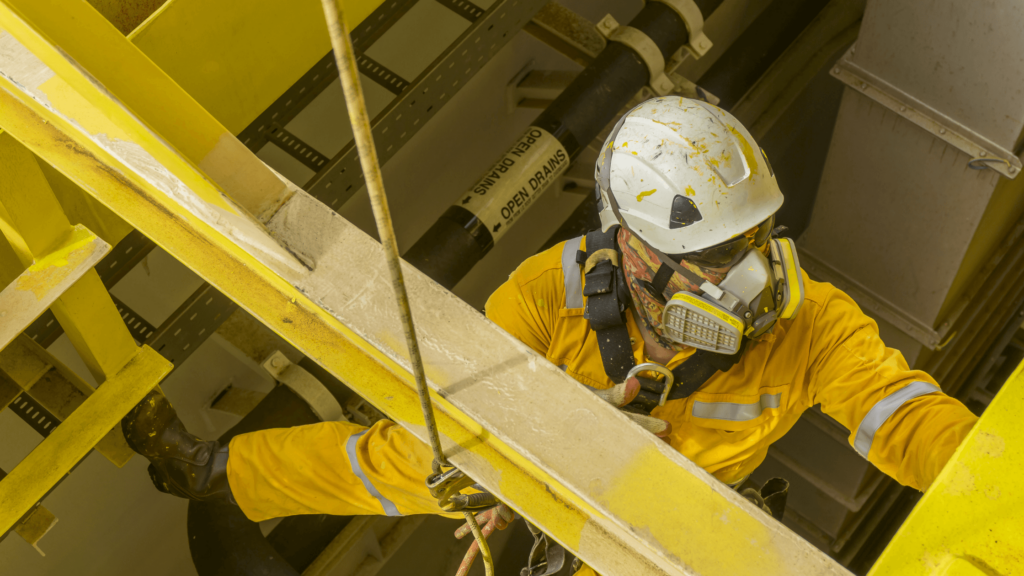
Construction workers face respiratory hazards, such as silica dust and fumes, daily. Some of the best respirators are N95s and PAPRs.
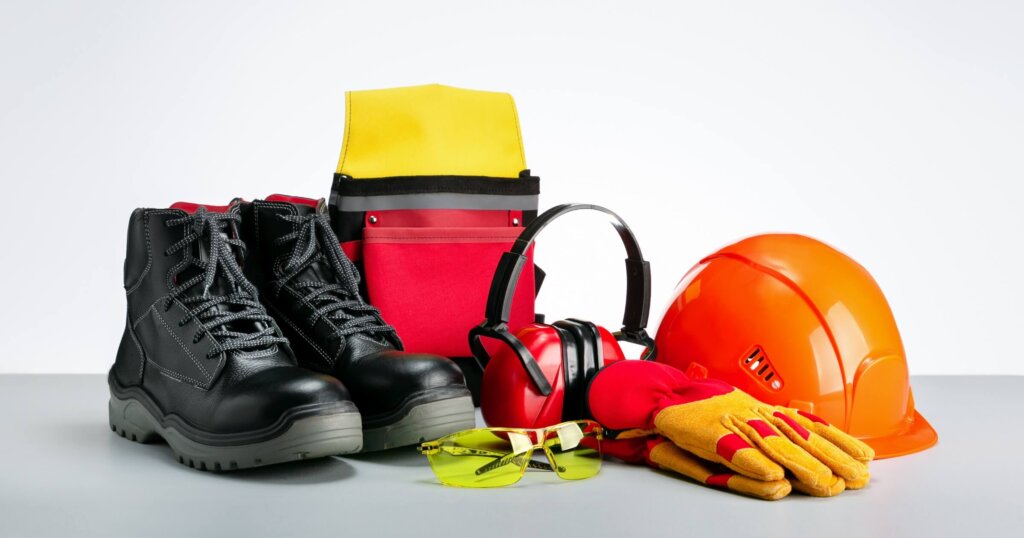
Loud job sites can cause hearing loss. Protect your ears with the 3M E-A-R soft yellow neon earplugs or Honeywell bluetooth earmuffs.
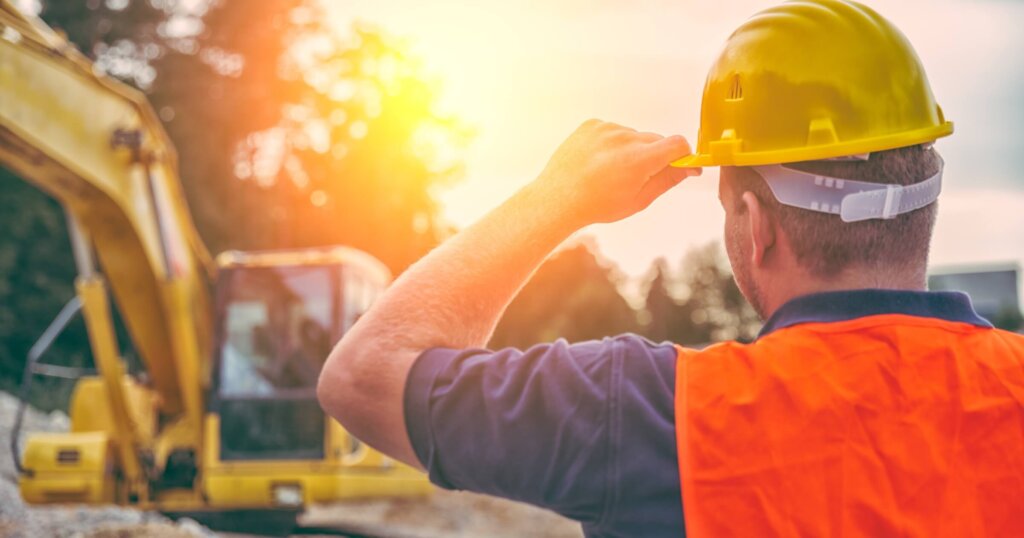
Construction workers can face the sun well over eight hours a day making sunscreen a priority to protect the skin.