Stop chasing paperwork: How Payapps simplifies progress claims for construction pros
Speed up and simplify progress claims with Payapps. Get paid faster, reduce disputes, and keep projects moving.



Speed up and simplify progress claims with Payapps. Get paid faster, reduce disputes, and keep projects moving.

Distributed fiber optic sensing improves material usage, reduces waste, and improves safety, promoting a circular economy in construction.

The construction, lifecycle planning, and design phases have one of the highest technology adoption rates at almost 80%.

The best HVAC software for businesses include FieldEdge to track jobs in real-time and Jobber to simplify invoicing.
Vectorworks Architect offers a BIM software with an intuitive design and that's easy to learn and loaded with 3D data driven tools.

The best smart home tech for 2025 includes smart lighting, security cameras, and voice assistants—attract buyers and boost home energy efficiency.
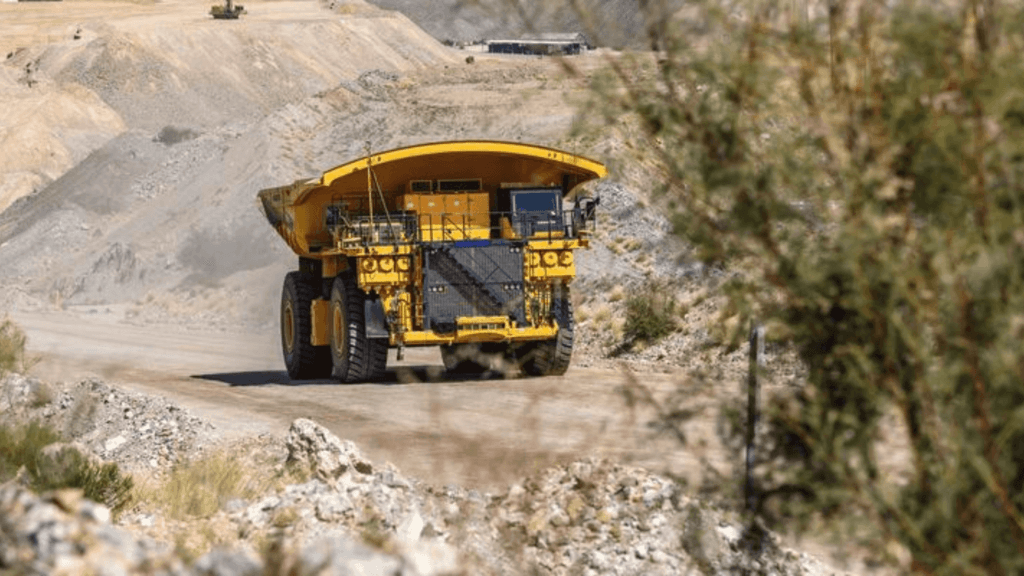
Autonomous construction machines promise efficiency, but challenges like high costs and limited on-site adaptability slow progress.
Nvidia is expected to spend $500 billion into building AI chips and supercomputers in the U.S. fueling a major manufacturing boom in tech.

ALICE Technologies uses AI to generate multiple construction scenarios, shorten project timelines, and cut labor costs, revolutionizing how projects are built.
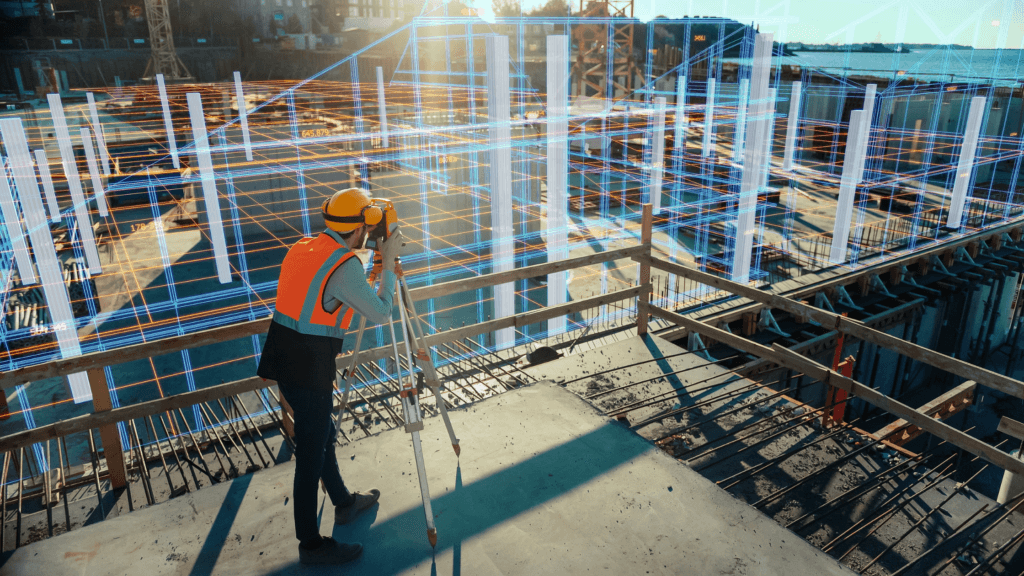
AR/VR technologies can slash building costs by up to 90%, potentially saving the construction industry $15.8 billion by reducing errors from inaccuracies.
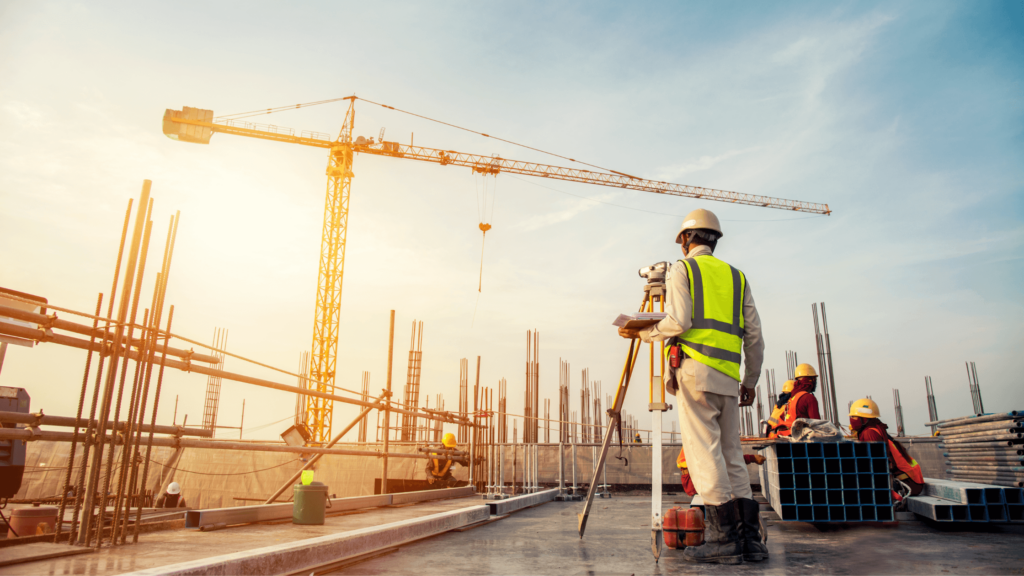
Too much construction tech can hinder progress. Focusing on scalability, seamless integration, and team involvement helps avoid choice overload.
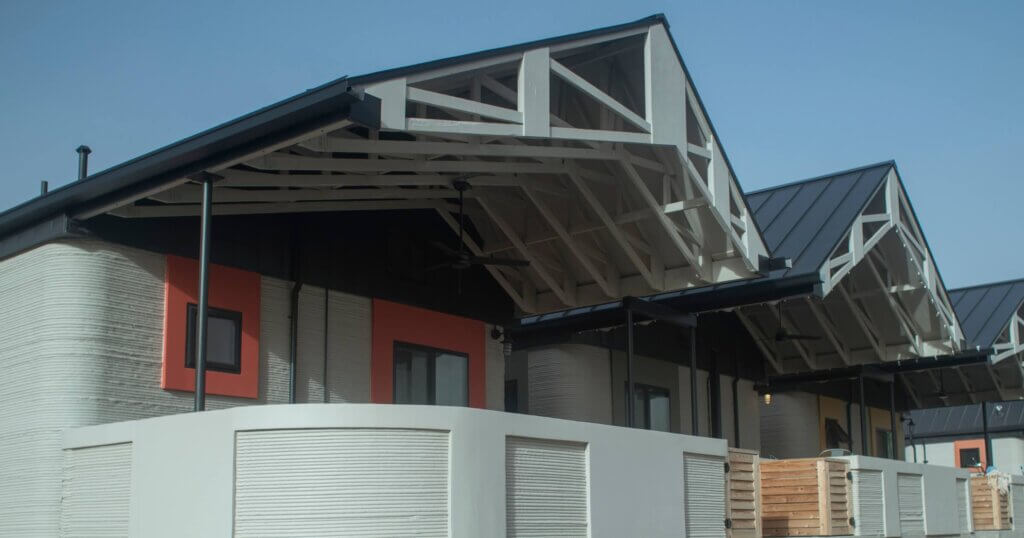
Understanding the cost of 3D printing a house comes down to key cost factors such as the house size, location, and materials being used.