Strategies to boost construction worker safety on roadways
Boost construction worker safety on roadways with speed management strategies like automated penalties and stricter driving laws.


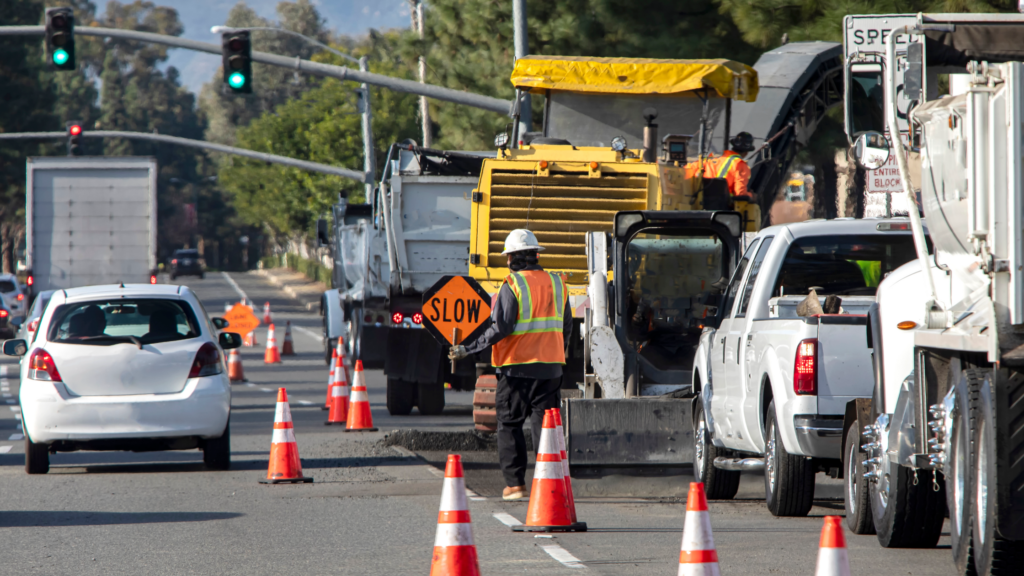
Boost construction worker safety on roadways with speed management strategies like automated penalties and stricter driving laws.

Fatigue is a major safety concern across many industries but is especially dangerous in high-risk environments like construction. Being overly tired impairs your ability to…
Caterpillar’s 5-session safety program is designed to assist companies in creating error-tolerant processes and reducing severe injuries.
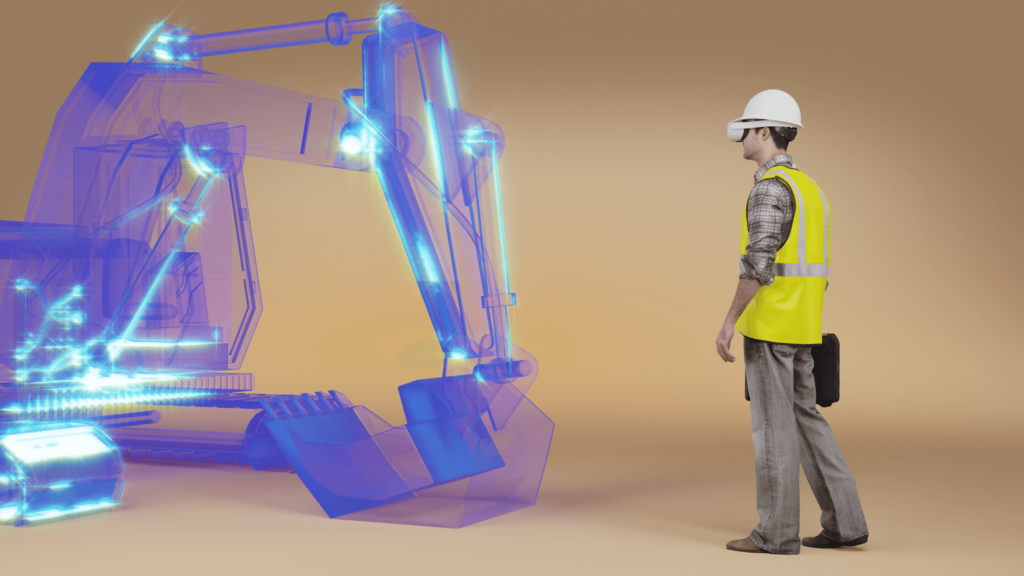
Active safety teaching involves demonstration and simulation, virtual and augmented reality, and discussion and gamification.

Fall protection mistakes, such as using worn-out equipment, not conducting a risk assessment, or improperly using your SRL, could cause injury or fatalities.

Epicore Biosystems' Hydration system helps construction workers stay hydrated and avoid heat illness with personalized feedback.
SCSA’s survey tool is helping construction sites predict risks and prevent accidents by improving communication and equipment access.

Job site safety just got easier with apps designed to help identify safety issues, ensure compliance, and reduce paperwork woes.

The NCCCO Foundation is setting new standards for crane safety by using innovative technology to address hazards and protect workers.

OSHA’s new heat rules aim to protect workers, but the strict regulations are sparking controversy in regions accustomed to high temperatures.

Rising safety gear costs are preventing full workplace implementation, leaving workers vulnerable to avoidable risks.

Electrical hazards like exposed wires and faulty equipment can lead to shocks, burns, or even fatal accidents if not adequately addressed.