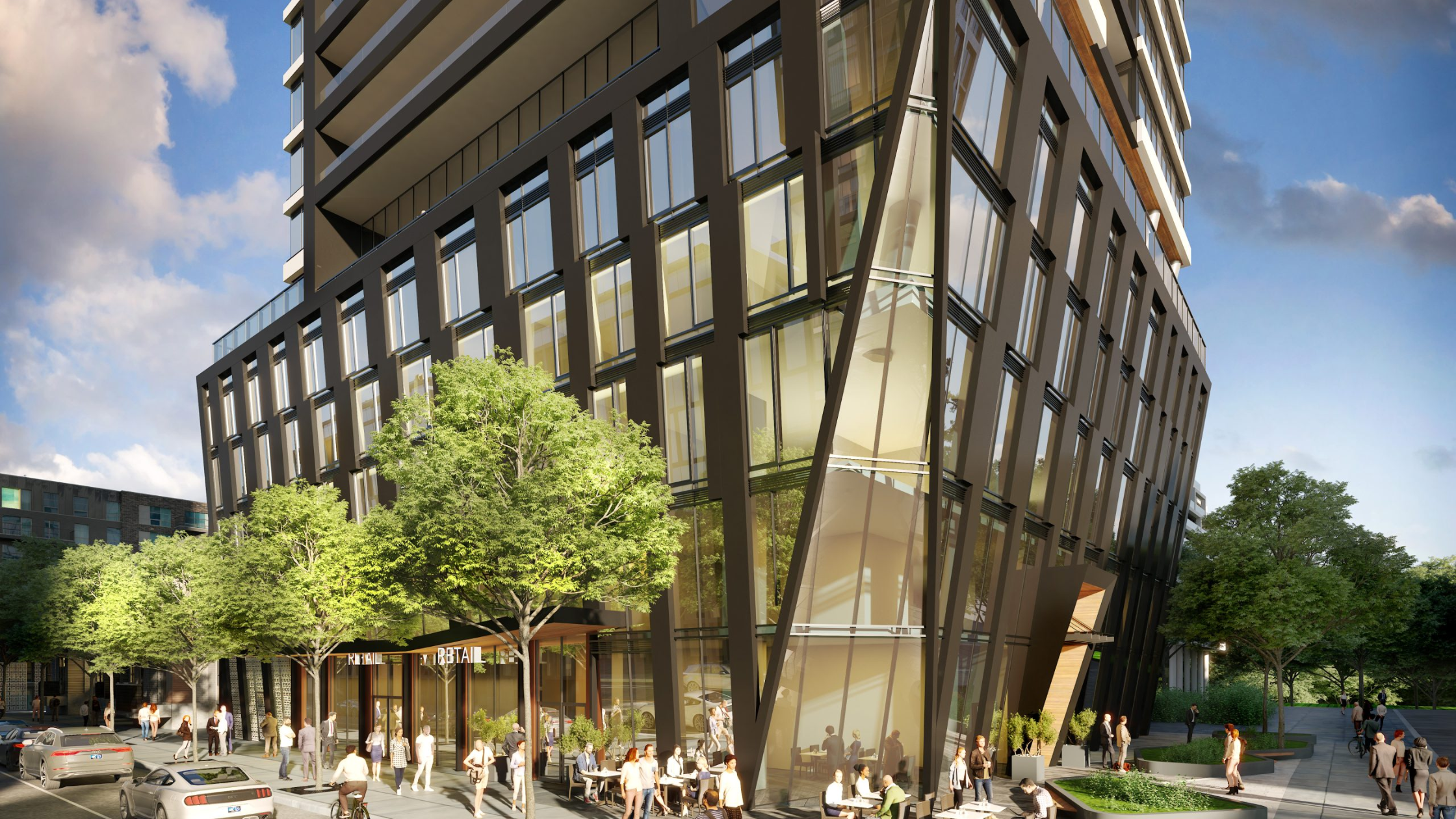
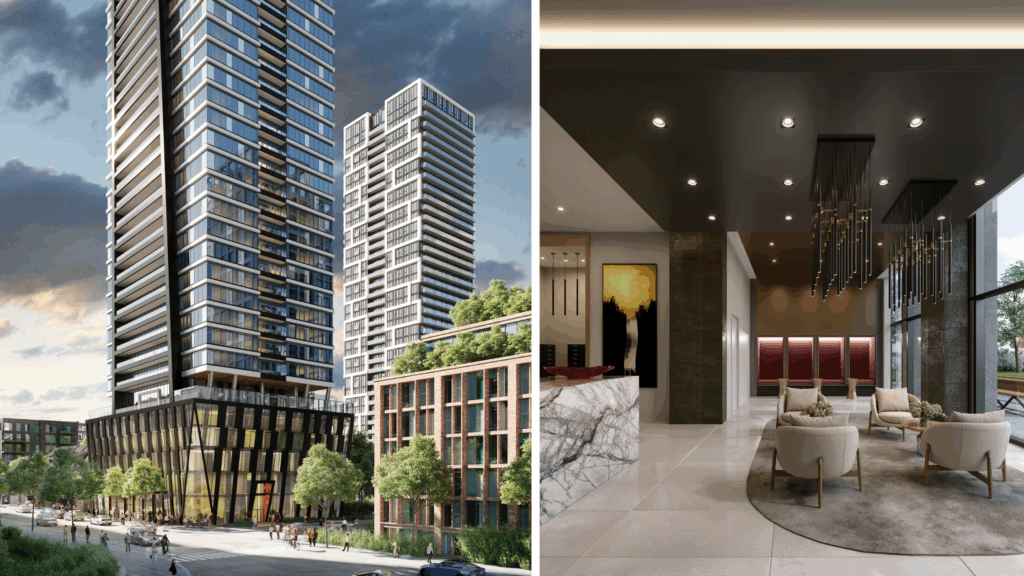
Broccolini has officially broken ground on The Riv, a new development in downtown Toronto that shows how the construction industry is changing its strategy. Instead of sticking with traditional condos, this project highlights a major pivot toward purpose-built rentals to tackle high interest rates and a shifting housing market. This shift is a perfect example of how the industry is not slowing down, but rather adapting to stay stable and successful.
Why purpose-built rentals are taking over
The Riv didn’t start as a rental. It was originally meant to be a condo, but the developer made a sharp turn to align with the current economy. With high interest rates making it tough for people to get a mortgage, condo sales have cooled off across Toronto. By moving to a rental model, Broccolini can tap into funding from large investors who know demand for housing is only going up.
This shift is great news for the people with boots on the ground. Condo builds usually cannot start until a large percentage of units are sold to the public, which can cause long delays. Rental projects are different because they can often get underway the moment financing is secured. This keeps tradespeople busy and ensures that big projects don’t sit idle while the retail market stays quiet.
Planning for longevity
Building a rental tower like The Riv requires a different mindset than building a condo. In a condo, the developer hands over the keys and moves on. In a rental, the developer or owner is in it for the long haul. This changes the approach to design and planning in several ways:
- Durability is king: Materials need to withstand higher turnover and more frequent move-ins.
- Operational efficiencies: HVAC systems and lighting need to be optimized to achieve long-term energy savings and protect the owner’s bottom line.
- Tenant amenities: The focus shifts from flashy lobbies to functional spaces such as co-working zones and reliable parcel storage, keeping residents happy for years.
Infrastructure as a catalyst
The Riv is rising in the East End, an area that is currently being transformed by massive infrastructure investments. The proximity to the new Ontario Line and the ongoing revitalization of the Port Lands are huge factors in making this site viable for high-density rentals. Better transit means more people can live further from the core while still having a reliable commute, which drives up the value of rental units in these emerging hubs.
With The Riv, we’re seeing a roadmap for the future of construction, where stability is the new goal. While the condo boom offered quick wins, the rental market offers a sustainable foundation for the construction workforce. It allows firms to plan their labor needs and equipment schedules years in advance because the demand for housing in Toronto won’t abate anytime soon.
Adapting to this model means getting comfortable with different financing structures and prioritizing long-term build quality. Projects like The Riv are demonstrating that the industry is still growing; it’s just building the homes that people actually need right now.
Subscribe to our newsletter to stay updated on the latest project spotlights and market trends.