Sustainable construction in 2026 is no longer experimental—it’s mainstream. Across North America, developers, governments, and major corporations are investing millions in projects designed to cut carbon emissions, conserve water, and operate on clean energy from day one. This guide explores the top sustainable construction projects that are changing the way we think about the relationship between our cities and the natural world. From mass timber campuses to offshore wind farms and all-electric skyscrapers, green building is quickly becoming the new standard.
Sustainable construction projects currently underway in 2026
Sustainable building is a necessity for the modern construction industry. Right now, there is a massive push for buildings that do more than just house people. Owners and developers are demanding LEED Platinum spaces that use less energy, save more water, and provide a healthier environment for everyone inside.
A few major factors are driving this shift. First, federal investments through programs like the Inflation Reduction Act have made it much more affordable for companies to choose green tech. Second, we are seeing a major trend in adaptive reuse, where old factories or office buildings are being given a second life rather than torn down. This saves a massive amount of embodied carbon, the energy it takes to make new steel and concrete.
In this post, we will highlight the major projects leading the way. You will learn about everything from Amazon’s HQ2 Metropolitan Park, which sets a new bar for urban sustainability, to the SunZia Transmission project, a giant move toward clean energy infrastructure.
Project 1: Amazon HQ2 Metropolitan Park
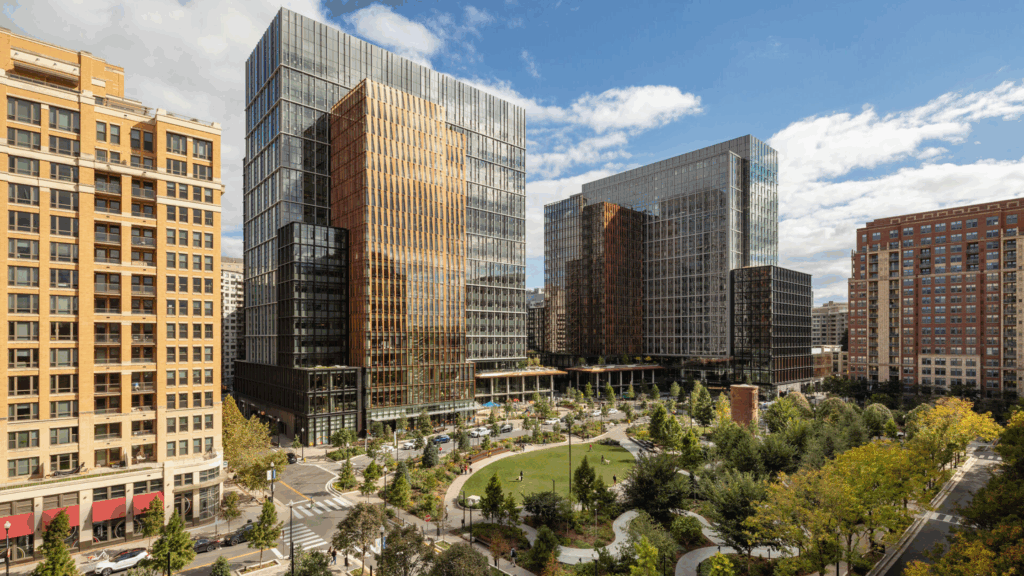
Amazon’s HQ2 Metropolitan Park is a massive project that shows how big tech can lead the way in green building. This campus is the largest newly constructed building in the world to earn a LEED Platinum certification.
- Location: Arlington, Virginia
- Specs: 2.1 million square feet across two 22-story towers
- Expected timeline: The first phase is currently operational, with more expansions and public spaces opening through 2026
What makes this project special is Amazon’s goal of reaching zero operational carbon. This means the buildings do not use any fossil fuels for their daily needs. Everything from the massive HVAC systems to the kitchens in the retail spaces is fully electric. The power for the entire site comes from a 100% renewable energy source at a solar farm in southern Virginia.
The construction itself was also eco-friendly. The teams used low-carbon concrete, which mixes recycled carbon dioxide into the wet concrete. This small change reduced the building’s carbon footprint by 20% without compromising strength. On top of that, the site features 2.5 acres of public park space filled with native plants. The buildings also use an advanced recycling system that captures rainwater and even water from sinks and showers. This system treats and reuses the water for irrigation and cooling towers, cutting the campus’s total water use by about 50%.
Project 2: SunZia Transmission and Wind
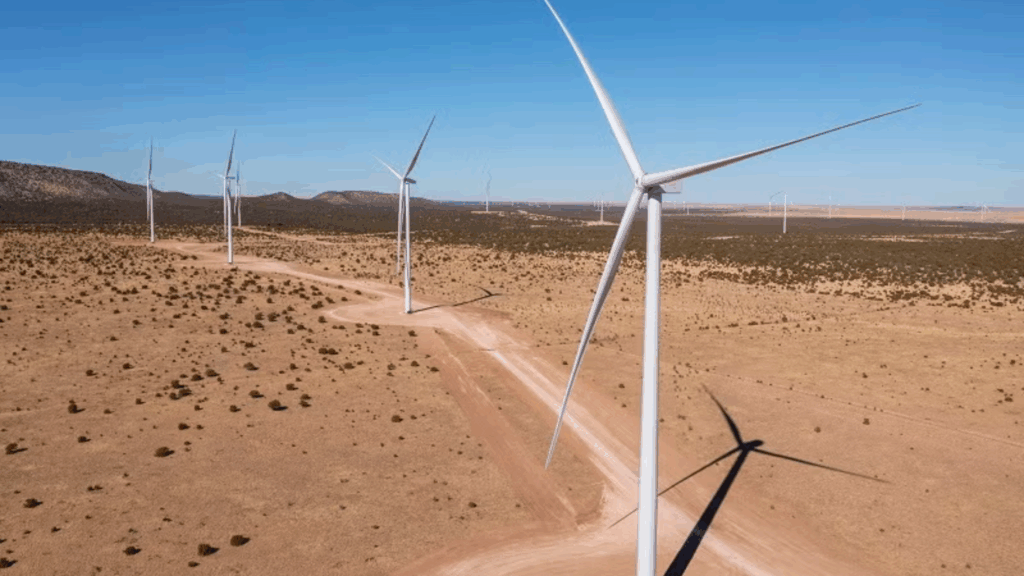
The SunZia Transmission and Wind project is currently the largest clean energy infrastructure project in United States history. It is a giant step forward for the country’s power grid, designed to move clean wind energy from where it is made to the cities that need it most.
- Location: Spanning from New Mexico to Arizona
- Specs: A 550-mile high-voltage transmission line paired with a 3,500 MW wind farm
- Expected timeline: Construction is hitting its peak in 2026, with full startup tests and commissioning happening throughout the year
The scale of this build is hard to imagine. It involves installing hundreds of wind turbines across three counties in New Mexico. To move all that power, the team is building a 550-mile superhighway for electricity. This line uses HVDC (high-voltage direct current) technology, which is much more efficient for transmitting power over long distances than standard AC lines we see on most streets.
One of the most impressive parts of the project is the use of grid-forming technology. This advanced system allows the wind farm to help stabilize the power grid, making it easier for other renewable energy sources to connect in the future. Once fully operational in 2026, it will provide enough clean energy to power over 3 million American homes. This project isn’t just about building a wind farm; it is about creating a new blueprint for how the U.S. can transition to 100% clean power.
Project 3: Waterline Austin
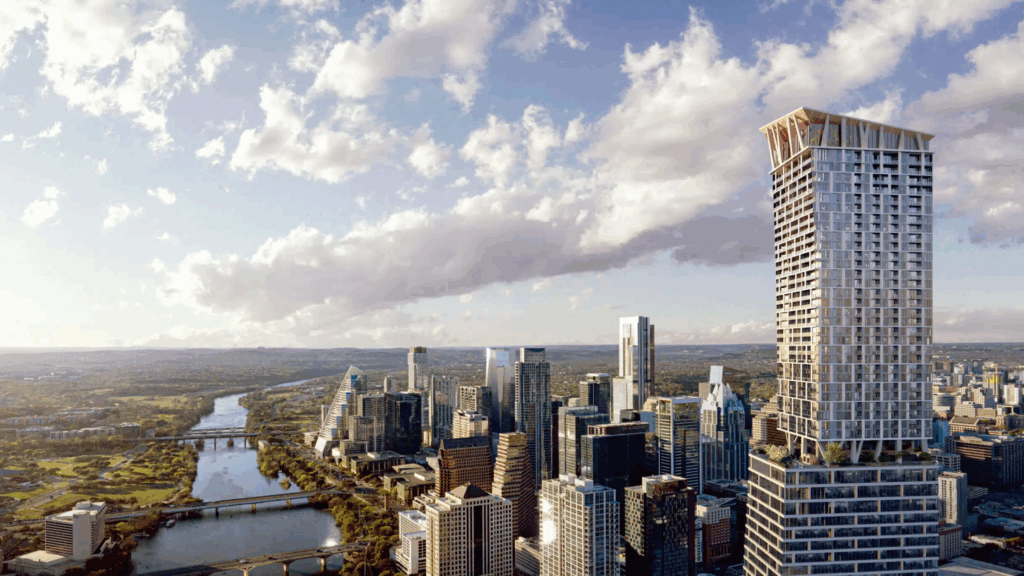
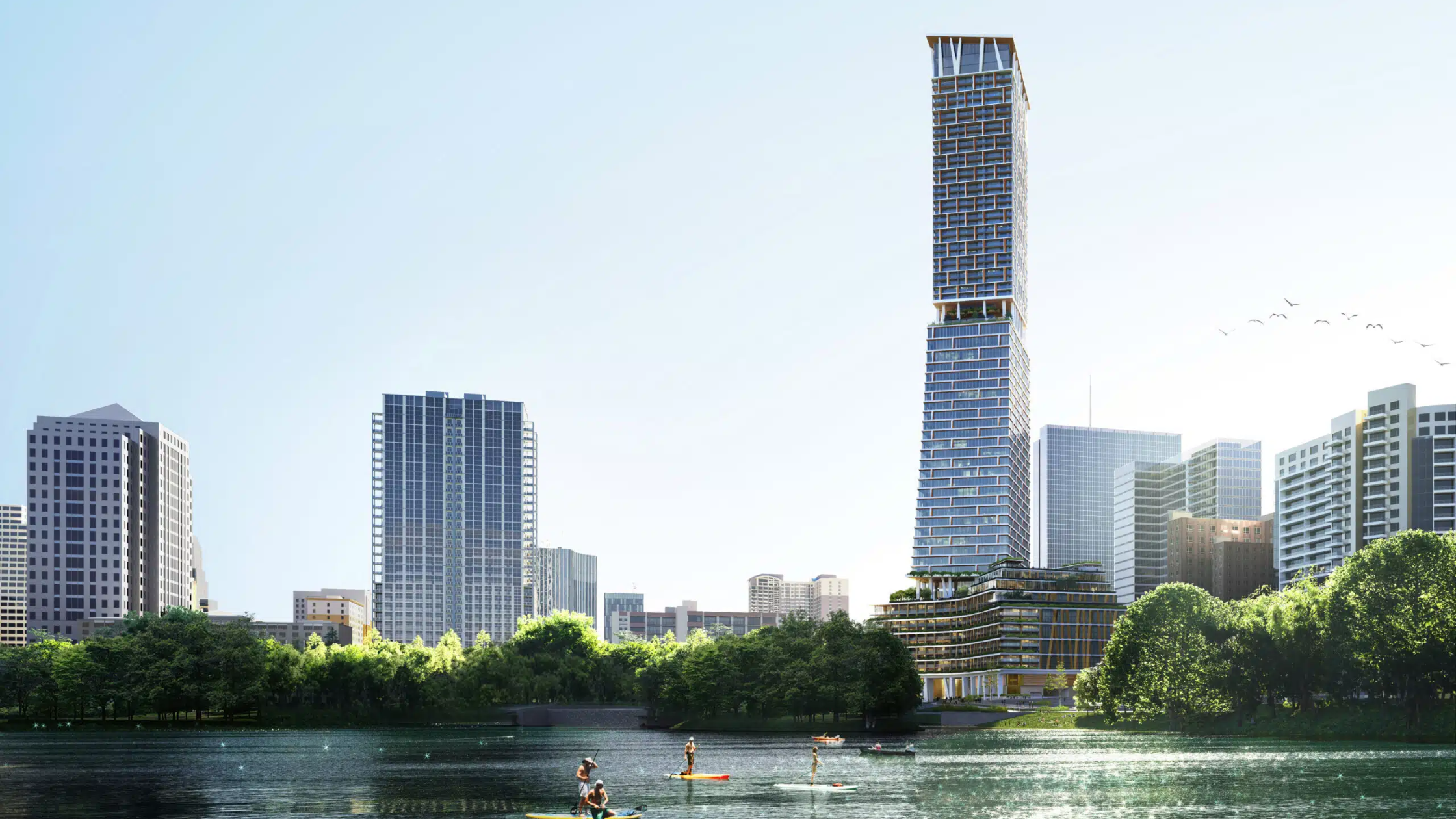
Austin is one of the fastest-growing cities in the country, and the Waterline Austin project is rising to meet that growth with a massive focus on the environment. This supertall skyscraper is set to become the tallest building in Texas, but its real claim to fame is its innovative green design.
- Location: Austin, Texas
- Specs: 1,022 feet tall; targeting LEED Gold certification
- Expected timeline: The building is expected to top out and reach its full height in 2026
Building a glass tower in the Texas heat usually requires a lot of air conditioning, but Waterline is designed to stay cool naturally. It features high-efficiency glass curtain walls that are designed to reflect heat while letting in plenty of natural light. This reduces the heat gain inside the building, meaning it takes much less energy to keep the offices and apartments comfortable.
Waterline also respects the local environment by sitting right next to Waller Creek. The project includes a massive rainwater collection system that captures water from the roof and terraces. This water is filtered and reused for irrigation and other building needs. By integrating with the Waterloo Greenway park system, the project also helps restore the natural creek bed, proving that even the biggest skyscrapers can give back to the local ecosystem.
Project 4: 270 Park Avenue (JPMorgan Chase HQ)
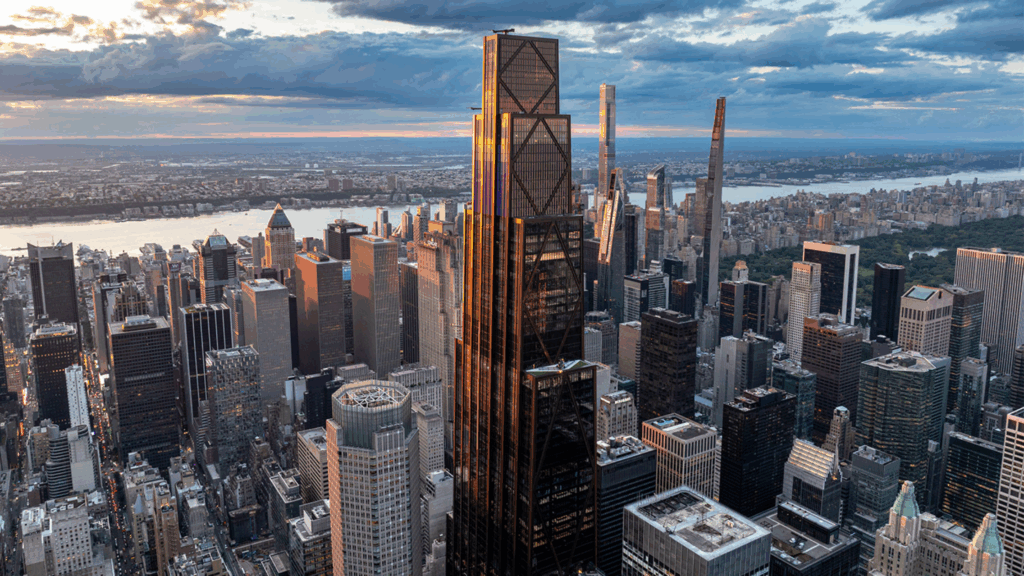
In the heart of Manhattan, the new JPMorgan Chase Headquarters at 270 Park Avenue is rewriting the rules for urban construction. This project is famous for being the largest all-electric skyscraper in New York City, and it was built directly over the active train tracks of Grand Central Terminal.
- Location: New York City, New York
- Specs: 2.5 million square feet; 60-story all-electric tower
- Expected timeline: Major structural work is wrapping up, with full operations beginning in 2026
One of the most impressive sustainability facts about this build is what happened to the old building that stood on this spot. Instead of sending it to a landfill, the team managed to recycle, reuse, or upcycle 97% of the materials from the previous structure. The new tower also uses mostly recycled steel in its frame, greatly reducing the environmental cost of raw materials.
Because the building is all-electric, it produces zero on-site operational emissions. It is powered entirely by renewable energy from a hydroelectric plant in New York State. To keep things running efficiently, the tower uses AI-driven energy management systems. These smart sensors and machine learning tools can predict when the building needs more cooling or light and adjust automatically. This smart approach ensures that not a single watt of green energy is wasted.
Project 5: Google Bay View Campus
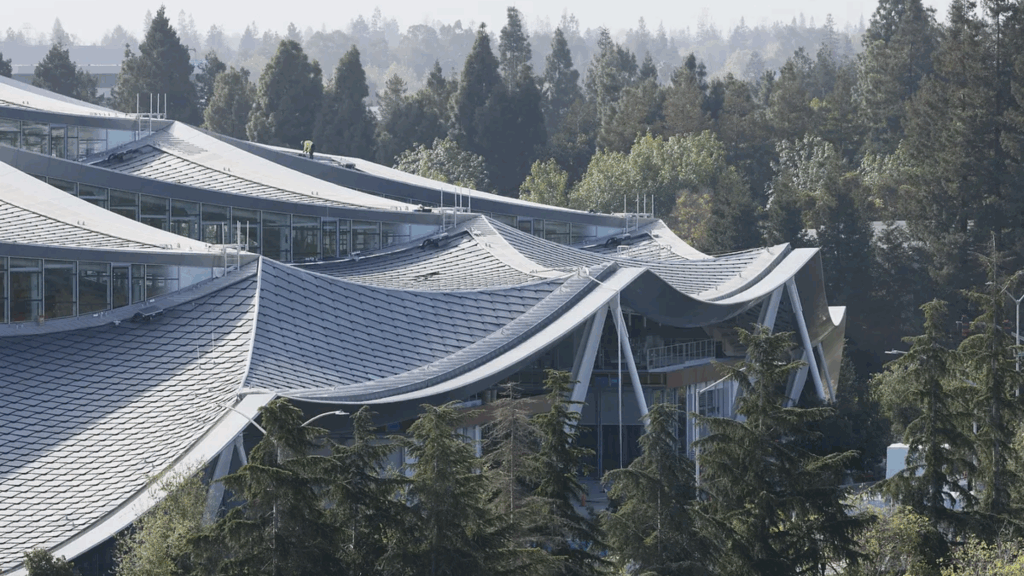
The Google Bay View Campus is a masterpiece of sustainable engineering. It is the first major campus that Google designed from the ground up, and every detail focuses on the health of the people inside and the environment outside.
- Location: Mountain View, California
- Specs: 1.1 million square feet; LEED Platinum
- Expected timeline: The campus is open, with ongoing performance monitoring and public site expansions throughout 2026
The most striking feature is the “dragonscale” solar skin. This roof is covered in 50,000 silver solar panels that overlap like scales. Unlike flat panels, this design allows the roof to capture sunlight from multiple angles all day long. This system produces enough electricity to cover about 40% of the campus’s annual energy needs.
Underground, Google built North America’s largest geothermal pile system. This network of pipes is integrated into the building’s foundation, using the Earth’s natural temperature to heat and cool the offices. This system is so efficient that it reduces the water typically used for cooling by 90%, saving five million gallons of water every year. The entire campus also focuses on biophilic design, meaning it is filled with natural light, indoor gardens, and views of the surrounding nature to help employees feel more connected to the outdoors.
Project 6: Obama Presidential Center
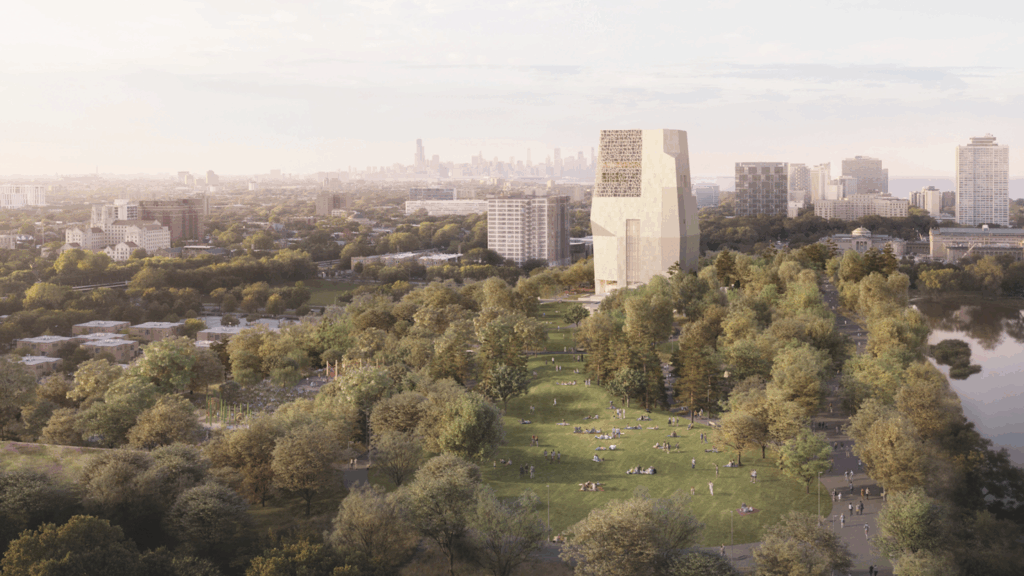
Rising on Chicago’s South Side, the Obama Presidential Center is designed to be much more than a museum. It is a 19-acre campus that turns a historic urban space into a model for sustainability and community growth.
- Location: Chicago, Illinois
- Specs: 19-acre campus including a museum tower, forum, and library
- Expected timeline: Grand opening is officially scheduled for June 2026
Sustainability is woven directly into the landscape. The project is focused on urban ecological restoration, transforming parts of Jackson Park back into healthy natural habitats. By closing a major six-lane roadway, the project has reclaimed over four acres of unpaved green space for the park. The site also features a Wetland Walk that captures and treats stormwater, then reuses it to irrigate the 30% of the campus being restored with native plants.
The construction team prioritized locally sourced materials, including granite for the iconic museum tower, reducing the carbon footprint of transporting heavy supplies. When it opens in 2026, the center will be an all-electric campus that sources 100% of its power from renewable energy. It is a living park with community gardens, a world-class playground, and wooded paths that show how modern construction can help heal the local environment.
Project 7: Thacker Pass Lithium Project
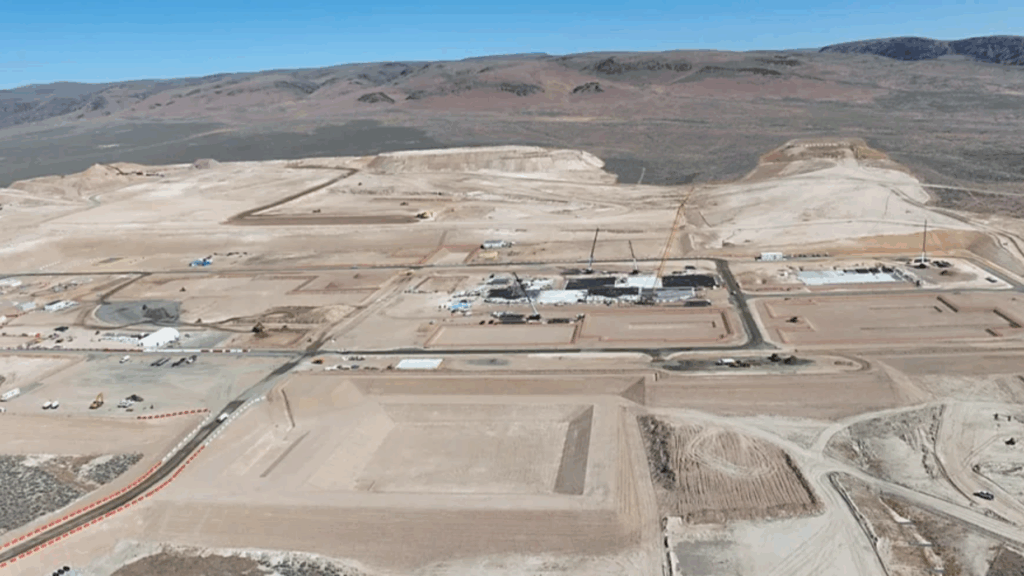
The Thacker Pass Lithium Project is one of the most important industrial sites in the country. While it is a mine, it is being built with a massive focus on sustainability to support the growing demand for electric vehicles (EVs).
- Location: Humboldt County, Nevada
- Specs: Massive lithium extraction and processing facility on a sedimentary clay resource
- Expected timeline: Commenced in 2023; mechanical completion for Phase 1 in late 2027
What makes Thacker Pass notable is how it extracts lithium. Unlike traditional mines that use massive evaporation ponds or high-heat roasting, this project uses modern hydrometallurgical techniques. The process is designed as a zero liquid discharge (ZLD) system, meaning it recycles and reuses almost all the water involved. This is a big deal in the arid Nevada desert, as it keeps the local water table safe and reduces the mine’s environmental footprint.
This project is a key link in the U.S. Green Supply Chain. Producing battery-grade lithium carbonate in Nevada reduces the need to ship raw materials halfway across the world. The facility even includes an on-site sulfuric acid plant that generates its own carbon-free electricity from the process’s waste heat. This closed-loop approach to energy and water makes Thacker Pass a blueprint for how the mining industry can support a cleaner future.
Project 8: Intuit Dome
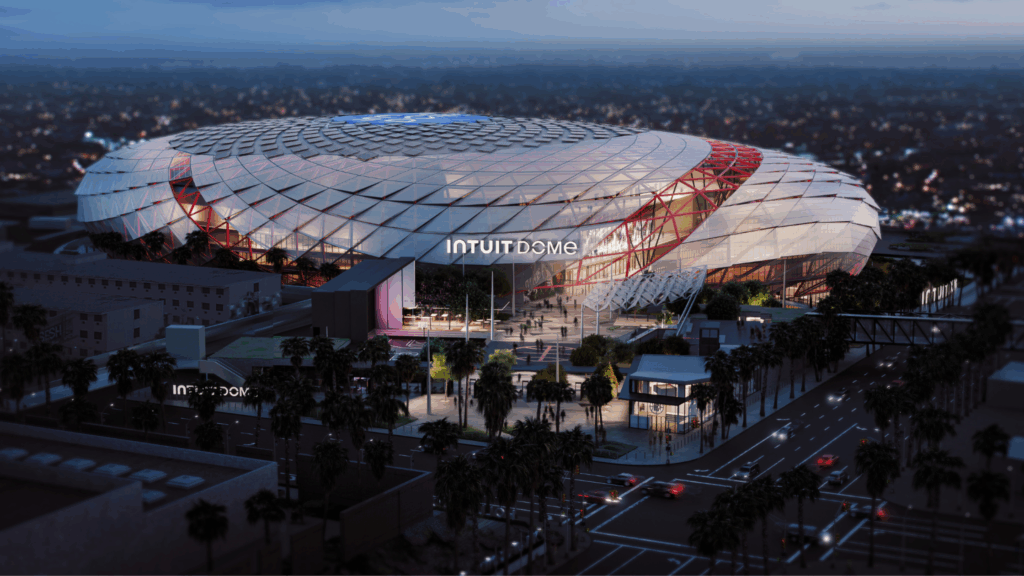
The Intuit Dome is a masterclass in sustainable arena design. It was built to exceed the toughest environmental standards and has officially earned a LEED Platinum certification.
- Location: Inglewood, California
- Specs: 18,000-seat arena featuring a visually dynamic gridshell exterior
- Expected timeline: Currently operational with early lifecycle performance tracking and public plaza events throughout 2026
The arena is designed to be climate-positive, meaning it actually helps the environment more than it hurts it. A standout feature is the naturally ventilated lobby and upper concourse. The team used the pleasant Southern California climate to their advantage, creating indoor-outdoor spaces that reduce the need for massive air conditioning systems. The arena bowl itself uses a 100% outside-air system, providing fresh air to fans while reducing energy use.
To power the show, the Intuit Dome features a 2-megawatt rooftop solar array paired with a massive 11-megawatt on-site battery storage system. This allows the arena to run entirely on carbon-free energy during events. The project also focused on embodied carbon by using low-carbon concrete and high-recycled steel for its foundation and frame. From the zero-waste room to the reclaimed water systems in the restrooms, every part of the Intuit Dome is designed to play nice with the planet.
Project 9: Coastal Virginia Offshore Wind (CVOW)
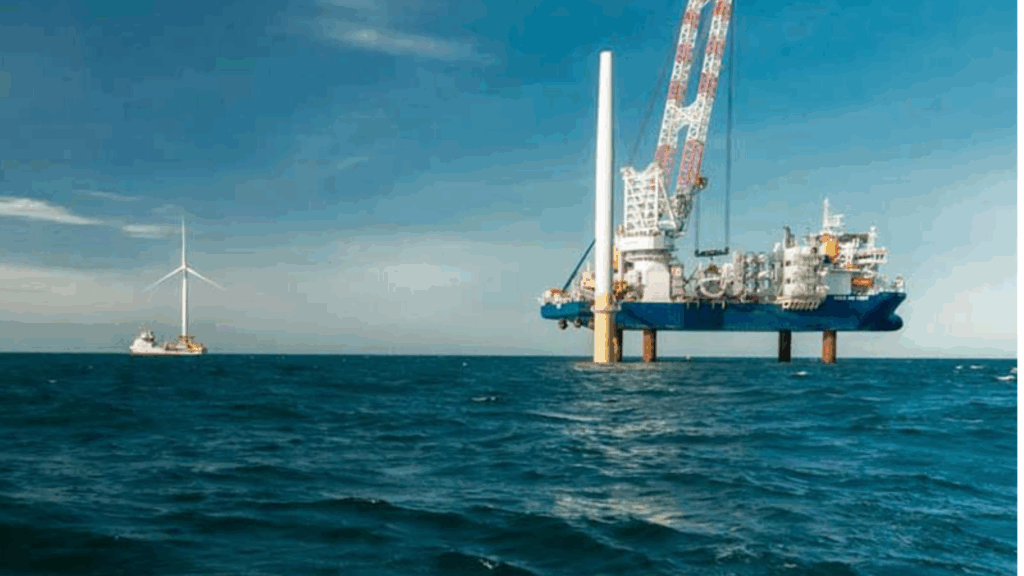
The Coastal Virginia Offshore Wind (CVOW) project is an engineering marvel currently rising from the Atlantic Ocean. Once finished, it will be the largest offshore wind farm in the United States, providing enough clean energy to power up to 660,000 homes.
- Location: Roughly 27 miles off the coast of Virginia Beach, Virginia
- Specs: 176 massive wind turbines generating a total of 2.6 gigawatts (GW) of power
- Expected timeline: Heavy offshore construction is in full swing throughout 2026, with the project on track for full completion by early 2027
Building in the open ocean is one of the most complex challenges in construction. Every part of the process, from pile-driving the 176 foundations into the seabed to installing the yellow transition pieces that sit above the waves, must be timed perfectly with the weather. To protect local wildlife, such as the migrating North Atlantic right whale, the team performs foundation work only during specific months.
The infrastructure needed to bring this power to land is just as impressive as the turbines themselves. Workers are installing three offshore substations that bundle the energy from the wind farm and send it through hundreds of miles of underwater cables to the Virginia grid. This massive investment provides zero-emission power and is also expected to save customers billions in fuel costs over the next decade.
Project 10: California High-Speed Rail (Initial Segment)
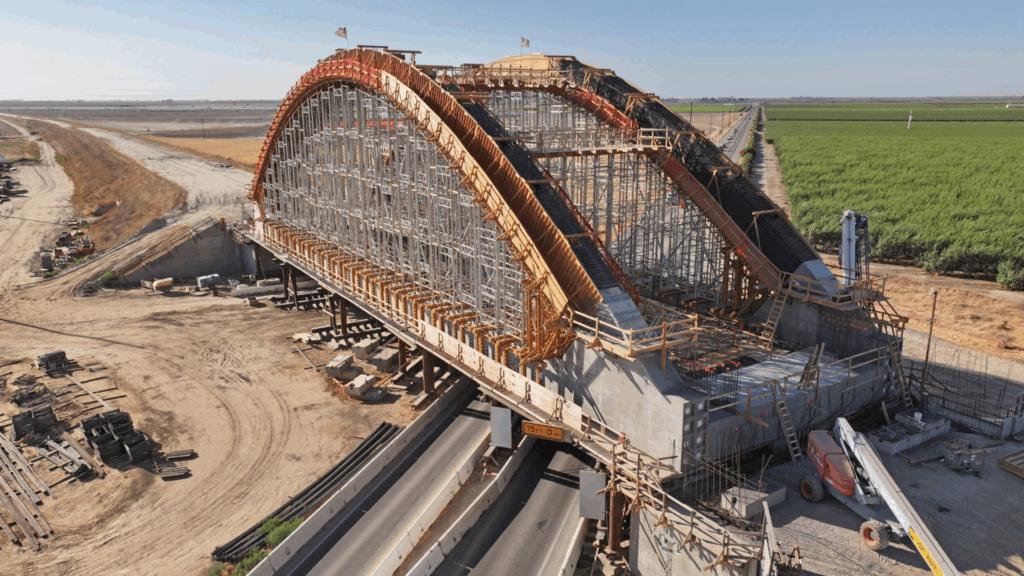
The California High-Speed Rail project is building the nation’s first true high-speed rail system, designed to connect the state’s major cities with trains traveling at over 200 miles per hour. While the full project spans hundreds of miles, the heart of the current work is in the Central Valley.
- Location: 119 miles of active construction across Madera, Fresno, Kings, Tulare, and Kern counties
- Specs: A dedicated, electrified double-track system with 171 miles currently under design and construction
- Expected timeline: 2026 is a milestone year as the project moves from heavy civil work into the track-laying stage
This project is a model for Green Construction. The authority has strict requirements for its contractors, including the use of zero-emission vehicles and equipment whenever possible. To date, the project has diverted 95% of its construction waste away from landfills. Even the trains themselves are designed for a clean future; the entire system is planned to run on 100% renewable energy, with a massive network of solar panels and battery storage being built specifically to power the rails.
In 2026, the project will have completed dozens of structures, including bridges and viaducts that allow the trains to soar over local roads and rivers. By shifting millions of trips from cars and planes to electric trains, this project aims to cut California’s greenhouse gas emissions by millions of tons every year. It is a bold vision for how the U.S. can move people faster while protecting the planet.
Are sustainable construction projects growing in 2026?
The sustainable construction industry is no longer a small niche. In 2026, it officially hit an inflection point where green building is becoming the standard for the entire market.
Market trends
The numbers tell a clear story of rapid growth. The global sustainable construction market is projected to be worth roughly $545 billion in 2026. Even more impressive is the speed of this change, with a compound annual growth rate (CAGR) of 12.4%. This means the industry is expanding much faster than traditional construction, as more developers realize that going green is both better for the planet and for their bottom line.
Growth drivers
Several key factors are pushing this growth to new heights:
- Federal policy: Laws such as the Inflation Reduction Act provide massive tax credits and grants to builders who use energy-efficient materials and clean power. This has made sustainable projects much more affordable for everyone.
- Demand for green offices: Modern companies want their headquarters to reflect their values. There is a huge demand for LEED-certified office space, as these buildings are cheaper to run and help companies attract top talent who care about the environment.
- Adaptive reuse: Instead of tearing down old buildings, developers are choosing to upcycle them. A major trend in 2026 is converting empty office buildings into new apartments. This saves a massive amount of construction waste and keeps the embodied carbon of the original structure from going to waste.
What to expect next in sustainable construction
The future of building looks very different from the past. As we look beyond 2026, new materials and technologies are set to change our job sites forever.
Emerging trends
We are seeing the rise of Carbon-Neutral Concrete, which actually captures and stores CO2 inside the material as it hardens. Another big shift is the move toward mass timber high-rises. By using layers of compressed wood instead of steel and concrete, builders can create skyscrapers that actually act as carbon sinks, locking away greenhouse gases for decades.
Want to stay ahead of the curve? Subscribe to our newsletter today to get weekly updates on the biggest sustainable builds and the latest AEC tech delivered straight to your inbox.