
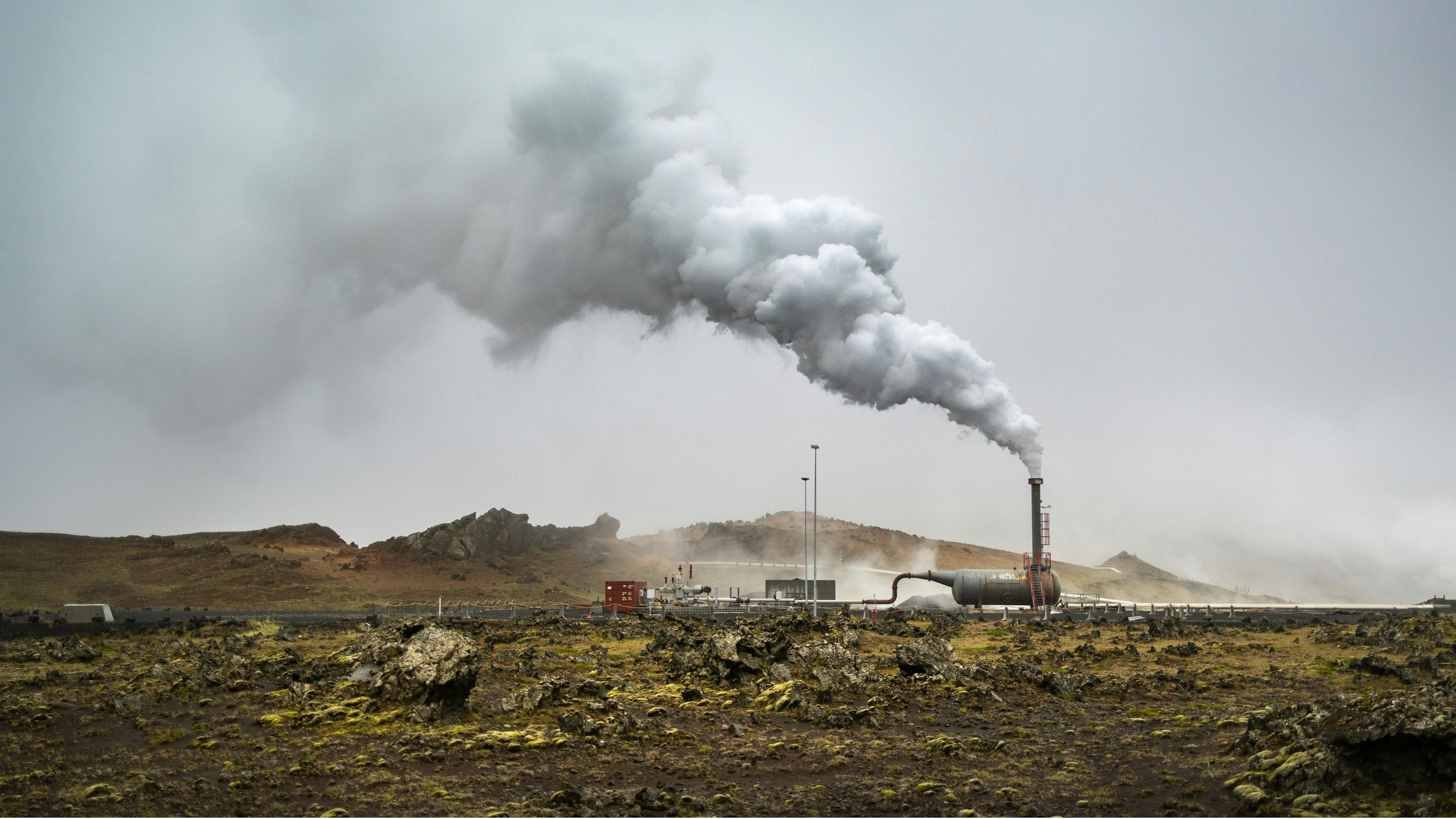
Geothermal energy projects are once again attracting significant attention in Canada. Governments, utilities, and developers are seeking a reliable, low-carbon power source to fuel homes and businesses. Geothermal energy is worth another look because, unlike wind and solar, geothermal systems keep churning out power 24 hours a day, with no letup in sight. As electricity demand continues to grow and our grids become increasingly strained, this is a significant advantage. This article will take a closer look at geothermal energy projects underway in 2026, focusing on those that have moved beyond concept and are now in the drilling, construction, or early deployment phase.
14 Geothermal energy projects currently under construction
Project 1 – DEEP Earth Energy Production Project
- Location: Near Torquay, Saskatchewan
- Size/specs: Initial phase ~25 MW, long-term expansion potential reported up to ~200 MW
- Expected timeline: Phased development through the mid-to-late 2020s
The DEEP Earth Energy Production project is one of the most talked-about geothermal energy projects underway in Canada, primarily because it aims to scale up and deliver power to the grid at a significantly larger scale. Located down in southeastern Saskatchewan, they’re after hot rock formations that match the kinds of drilling profiles you’d see in oil and gas country—basically, they can draw on all the expertise and gear they need to make this work.
The project involves sinking deep vertical wells, installing reinjection systems, procuring surface power-generation equipment, and piping the electricity to the grid via transmission interconnections. Each phase is designed to allow you to test it and ensure everything is working as planned before scaling up. This all helps keep costs and technical headaches down. If DEEP can reach its upper limits, it could become one of the largest geothermal power generators north of the Mexican border.
Project 2 – Swan Hills Geothermal Power Project
- Location: Swan Hills, Alberta
- Size/specs: Approximately 21 MW
- Expected timeline: Operational, with system optimization ongoing through 2026
Swan Hills has found a strong niche in Canada’s geothermal energy sector. It is already generating power, putting it ahead of the game, and it’s all thanks to the geothermal fluids co-produced at the site, which are used alongside existing oil and gas infrastructure to make it a goer. This project demonstrates that you don’t have to start from a blank page; you can repurpose existing energy assets rather than discard them. All power generated at the site is fed directly into Alberta’s grid.
From a building standpoint, Swan Hills required less new surface infrastructure than some other projects, which helped expedite the project. The ability to reuse existing wells, pipelines, and access roads reduced capital costs and generally caused less disruption. This project demonstrates that geothermal energy can serve as a stepping stone for regions that have long relied on hydrocarbons.
Project 3 – Alberta No. 1 Geothermal Project
- Location: Greenview Municipal District, Alberta
- Size/specs: Estimated 10 MW
- Expected timeline: Development progressing through the late 2020s
The Alberta No. 1 Geothermal Project is a prime example of the growing trend toward hybrid geothermal developments, which not only power homes and businesses but also provide direct heat to those who need it most. Its planned location in north-western Alberta puts it right in the backyard of local industries that stand to benefit from both electricity and thermal energy. This dual-endeavour approach makes a lot of sense; it improves system efficiency and strengthens the project’s financial stability.
Design plans for the project focus on digging deep into the earth and pairing those geothermal wells with top-notch surface power equipment. Additionally, any excess heat they generate can be siphoned into local industrial or district heating systems. That design choice means the project won’t be at the mercy of ever-fluctuating wholesale electricity prices down the line. This project shows that geothermal is no longer a standalone power source; it’s now part of a broader integrated infrastructure.
Project 4 – Latitude 53 Geothermal Project
- Location: Near Hinton, Alberta
- Size/specs: Exploratory drilling and subsurface assessment, 3.1 MW
- Expected timeline: Feasibility and testing through 2026
Latitude 53 is the heavy-hitting research part of Canada’s geothermal pipeline. Rather than pressing ahead with construction, they’re focused on obtaining accurate temperature and flow data from the ground. And that’s especially important in areas without prominent geothermal features at the surface.
They’re using test wells, monitoring programs, and extensive geology modelling to get a clear view of whether this resource will be viable in the long term. Even though it’s a smaller project, Latitude 53 is playing a significant role in clarifying uncertainty around geothermal development in the west. The data they’re collecting is feeding directly into the national-level geothermal maps being developed.
For the engineers and planners, projects like Latitude 53 are fundamental. Even if they don’t generate electricity themselves, they still help shape where geothermal development makes sense and where it’s not worth the effort by identifying what works and what doesn’t.
Project 5 – Tu Deh-Kah Geothermal Project
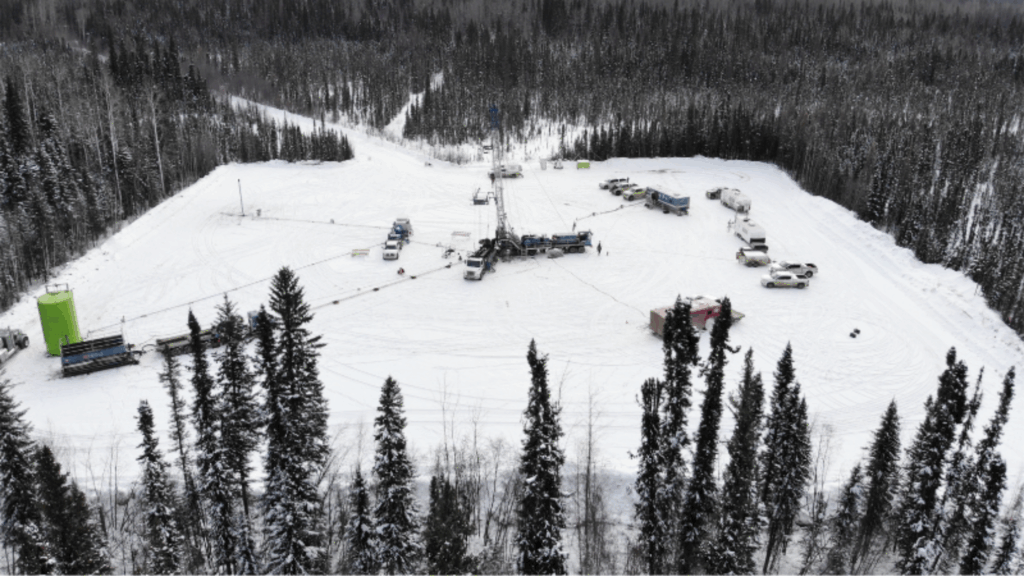
- Location: Fort Nelson, British Columbia
- Size/specs: Community-scale renewable energy project, 7-10 MW of electrical capacity
- Expected timeline: Development and permitting progressing through the mid-2020s
Tu Deh-Kah is Canada’s flagship indigenous-led geothermal energy project, and it’s impressive. Built by the Fort Nelson First Nation, this project is designed to generate clean electricity while supporting the local economy by creating jobs and retaining more revenue in the community. And it doesn’t stop at power generation; the team behind this project is also exploring the use of geothermal energy to heat community buildings and support local farmers’ agricultural needs.
They have decades of regional data on the area’s geology, which has enabled them to pinpoint deep subsurface heat potential. Now it’s a matter of balancing the technical complexity with long-term benefits for the community, including on-the-job training and a boost to the local economy. But what really sets this apart is that ownership and governance are front and centre in project planning. Tu Deh-Kah is an excellent example of how indigenous-led projects can tick multiple boxes—clean energy and reconciliation.
Project 6 – South Meager Geothermal Project
- Location: Near Pemberton, British Columbia
- Size/specs: High-temperature resource with grid-scale potential of 100+ MW
- Expected timeline: Ongoing assessment and permitting
South Meager is often touted as Canada’s most promising geothermal resource just waiting to be tapped. Located in an active volcanic zone, it’s got the right conditions for large-scale electricity generation. Studies suggest it has significantly more potential than most other geothermal sites in Canada.
Building South Meager is no easy feat; it’ll require environmental permits, overcoming the challenges of remote access, and connecting to the grid. The construction process would mean deep drilling, new surface equipment, and transmission lines.
Project 7 – Borealis GeoPower Valemount geothermal project
- Location: Valemount area, British Columbia
- Size/specs: Early-stage geothermal electricity project, 15 MW after complete build-out
- Expected timeline: Exploration, permitting, and testing through 2026
Borealis GeoPower’s Valemount project is looking to find out how much geothermal electricity can be harnessed along a key route in BC—a big transportation and transmission corridor that just so happens to be near Highway 16 and already has all sorts of existing infrastructure. That makes things a lot simpler if the project ever gets the green light. So far, they’ve been doing early work, including geophysical surveys, obtaining permits, and conducting subsurface modeling to determine the temperature of the underground reservoir and whether it’s a viable energy source.
Unlike some high-profile volcanic sites, Canada’s geothermal energy is often hidden from view. Therefore, this project in Valemount is more typical of a standard geothermal scenario. Because of that, they need to be very careful about how they drill and collect data, since they can’t just dig a well anywhere and know what they’ll hit. Borealis is taking a cautious approach, proceeding in stages—testing and deciding whether to invest further before committing any more money. If they can make it work, it will serve as a model for smaller-scale geothermal power that can be easily integrated into local grids without requiring a new transmission system.
Project 8 – Shelburne County geothermal greenhouse project
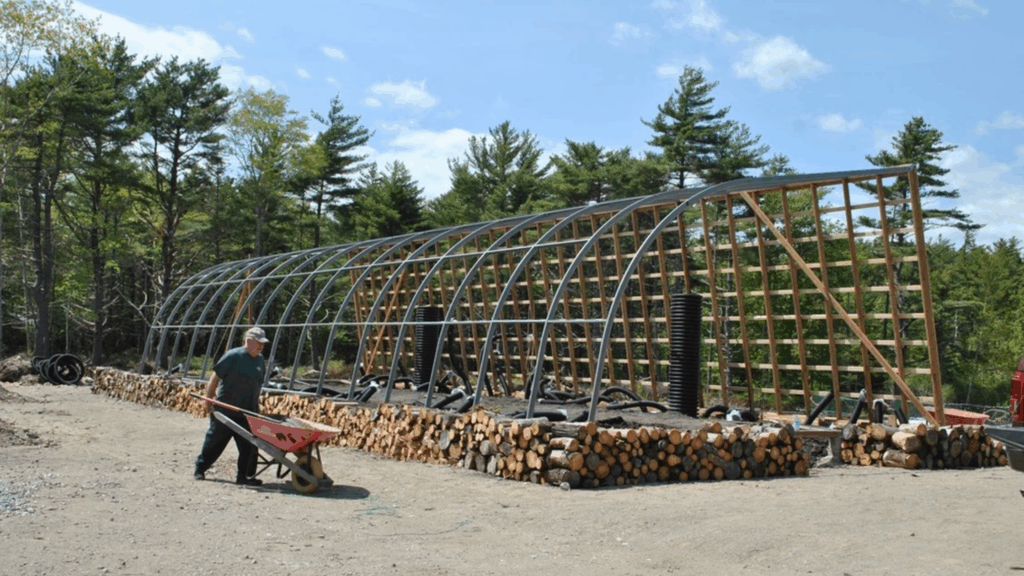
- Location: Shelburne County, Nova Scotia
- Size/specs: Community-scale geothermal heating system for food production
- Expected timeline: Development and construction through 2026
The Shelburne County project is a real departure from the norm in the geothermal world—they’re not even trying to make electricity. Instead, they’re using geothermal heat to keep greenhouses warm, enabling people in rural Nova Scotia to grow food year-round rather than rely on food from farther away. It also keeps their heating costs way down because they’re not burning fossil fuels.
From a building perspective, it all works as you’d expect: geothermal wells pump up heat, which is then fed into heat-exchange equipment, and the job is done. No complex turbines or generators are required, keeping things simpler. They’ve also added solar power and batteries to support the other systems in the greenhouse. What makes Shelburne such a standout project is that geothermal energy is deployed on-site in the community, benefiting everyday residents rather than being exported to the wider grid.
Project 9 – Pebble Creek geothermal field
- Location: Coastal British Columbia
- Size/specs: Long-term electricity potential estimated above 100 MW
- Expected timeline: Long-range development under continued study
The Pebble Creek geothermal field has long been a source of interest and, despite everything, still has significant potential in Canada. The problem is that the ground beneath it is scorching hot due to volcanic activity, which makes it an excellent site for large-scale power generation. Still, the development process has been held back by access constraints, onerous environmental regulations, and transmission challenges.
If, in the future, any of this geothermal potential were to be tapped, it would be significant. We’re talking deep drilling, large surface power plants, and extensive transmission upgrades just to get the power to market. On the flip side, once the investments are made, the geothermal system could generate high volumes of electricity for years to come.
Project 10 – CanmetENERGY geothermal program for northern and remote communities
- Location: Yukon, Northwest Territories, and remote regions
- Size/specs: Multiple geothermal heat and power feasibility studies
- Expected timeline: Research and demonstration work extending through 2026
This federal program is assessing whether geothermal power can replace diesel generators, which are currently the norm in northern and remote communities. Many of these places are struggling with high fuel costs and the risks of importing fuel during the winter months, or having it flown in when roads are impassable. Geothermal offers a locally sourced solution.
Rather than pursuing a single large-scale geothermal project, the program is backing multiple smaller studies tailored to each community’s unique geology and needs. This includes drilling assessments, thermal modelling, and the design of systems that provide either heat alone or heat and power combined—all to help communities become more energy-independent.
Project 11 – Eavor-Loop pilot geothermal project
- Location: Alberta
- Size/specs: Closed-loop geothermal system demonstration
- Expected timeline: Ongoing testing and refinement
Eavor’s closed-loop geothermal project marks a significant departure from the way we’ve traditionally thought about geothermal energy. Instead of relying on naturally ‘friendly’ underground reservoirs, this system basically circulates a fluid through sealed underground loops. As a result, heat can be captured without having to pull formation fluids out of the ground, which reduces the uncertainty around what you’ll actually be dealing with geologically.
The Alberta pilot is all about proving that this approach will work—can it perform, can it last, and can it scale? The process of building it out looked like this: first, you drill with precision, lay the underground loops, and then install the surface heat exchange system on top of them. One of the interesting aspects of this is how the closed-loop design mitigates concerns about inducing earthquakes and water use. If all goes to plan, this could make geothermal energy much more viable across Canada.
Project 12 – Vancouver International Airport geoexchange system
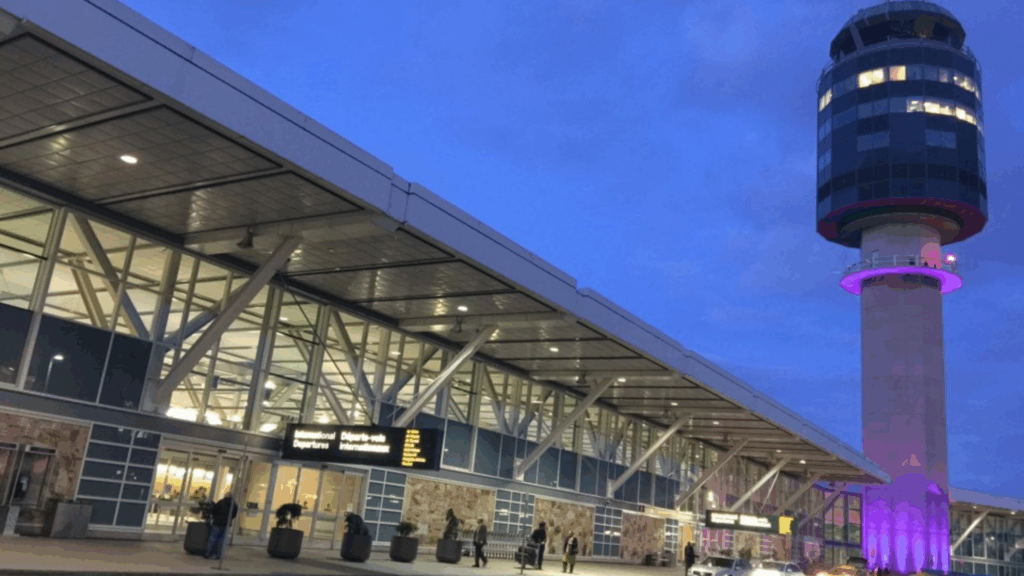
- Location: Richmond, British Columbia
- Size/specs: Large-scale heating and cooling system
- Expected timeline: Ongoing expansion tied to terminal growth
Vancouver International Airport has one of the biggest geothermal ‘heat exchange’ systems in Canada, and it’s using subsurface heat to keep the terminal at a comfortable temperature. It also reduces natural gas use and helps the airport meet its emissions targets, all without sacrificing passenger comfort.
Installing the geothermal piping under the airport lands and integrating it with centralised mechanical plants is no trivial matter, especially when you have to do it without disrupting airport operations. Expansion can be a logistical nightmare, but that’s precisely what makes geoexchange such an excellent option for places like airports—they need reliable, long-term systems that’ll keep on going as the facility grows.
Project 13 – Enhanced geothermal system research projects
- Location: Multiple regions across Canada
- Size/specs: Pilot and research-stage systems
- Expected timeline: Mid-to-late 2020s
Enhanced geothermal systems aim to unlock geothermal energy in regions without natural reservoirs. Canadian research projects are testing drilling, stimulation, and monitoring techniques to create artificial heat exchangers at depth.
These efforts involve close collaboration between engineers, geologists, and regulators. While still in its early stages, EGS research could dramatically increase access to Canada’s geothermal resources. If successful, EGS could shift geothermal from niche to mainstream. The work underway now will influence whether commercial projects appear in the 2030s.
Project 14 – Terrapin Geothermics, northern Alberta geothermal studies
- Location: Northern Alberta
- Size/specs: Regional geothermal potential mapping
- Expected timeline: Study findings guiding post-2026 proposals
Terrapin Geothermics has completed extensive geothermal mapping in northern Alberta. What they’ve found—subsurface temperature gradients, likely drilling spots, and areas where development could work—is critical to getting anything built in the end. Although it’s not a construction project itself, it’s a prerequisite for anything that follows.
This work does a lot to reduce confusion for utilities, towns and developers in the early stages because it gives them a much better idea of where they might be able to find geothermal energy. In turn, this lets them make better choices about where to invest. Projects like these lay the groundwork that ends up driving the whole geothermal strategy in Canada; a lot of the pipeline of potential projects depend on this kind of work.
Is geothermal energy project construction growing in 2026?
Geothermal energy projects are taking off in Canada right now because people are desperate for reliable, low-carbon energy that runs year-round. Unlike wind or solar, geothermal power stations can keep churning out electricity and heat even when the weather is unfavorable, which is why they’re increasingly attractive to planners trying to build more balanced grids.
Federal funding in the form of grants to support clean energy and emissions reduction has been instrumental, helping move some geothermal projects from concept to drilling and early construction. Provinces like Alberta, Saskatchewan, and BC have also made changes to their rules around geothermal to make it easier.
Industry groups are saying that now, more cash than ever is being poured into doing subsurface surveys, exploratory drilling, and pilot project work—all the basic stuff you need before you can even think about getting started on actual construction.
What to expect from geothermal energy projects in the coming years
Over the next few years, geothermal development in Canada is likely to focus on building projects that serve multiple purposes. We’re seeing more hybrid designs emerging that provide electricity and heat for industrial use, buildings, and greenhouses. Implementing hybrid designs makes sense, as it improves financial performance and better aligns geothermal development with local community needs, especially in colder regions where heating demand remains high. Developers are now seeking to better align output with local demand rather than relying on long-distance transmission.
Advances in drilling and reservoir management, borrowed mainly from the oil and gas sector, will continue to influence project design. Closed-loop systems and enhanced geothermal techniques are being tested to reduce geological risk and expand the range of viable sites. Indigenous-led projects and municipal partnerships are also expected to increase as communities seek greater control over energy supply and local development outcomes. As more operational data becomes available, permitting and financing processes may become more predictable, thereby shortening development timelines and encouraging broader adoption.
Final thoughts
Geothermal energy projects in Canada are moving from long-term discussion into visible infrastructure development. The projects underway from 2025 into 2026 range from grid-connected power plants to district heating systems and building-scale installations, demonstrating the flexibility of geothermal applications. While challenges remain around cost, drilling risk, and timelines, the steady progress across multiple provinces points to a growing role for geothermal in Canada’s energy mix. For builders, engineers, and planners, these projects offer a glimpse of how subsurface energy can support long-term decarbonization goals.
If you want to explore related topics and see how geothermal fits into the broader clean-energy picture, these articles may be helpful:
- Solar energy projects currently under construction
- Renewable energy projects
- The perks and drawbacks of geothermal buildings
- Sustainable construction: How the construction industry is going net zero
For continued coverage of energy, construction, and infrastructure projects shaping the industry, subscribe to the Under the Hard Hat newsletter.