Construction leaders and safety managers are looking for new ways to lower accident rates and keep their crews healthy in an increasingly busy world. This guide explores the most important construction safety training trends for 2026, ranging from immersive virtual reality simulations to artificial intelligence that predicts hazards before they happen. By understanding these shifts, you can move beyond basic compliance and build a workplace where every person gets home safely at the end of the shift.
10 safety trends taking over construction in 2026
Trend #1: AI-powered hazard detection and behavioral training
Artificial intelligence is changing safety from something that happens after an accident to something that prevents it from occurring. Today, many job sites use computer vision systems to watch the field in real time. These systems connect to site cameras and can instantly spot if a worker forgets their hard hat or walks too close to a moving excavator. Far from being a Big Brother tool, this data is now used to create personalized training for each worker based on their specific habits.
Currently, nearly 28% of Environmental, Health, and Safety (EHS) functions already use artificial intelligence, with nearly half planning to invest in AI-enabled capabilities within the next year. These systems are creating a closed-loop cycle where near-miss data is used to teach the crew. For example, if the AI sees multiple people tripping in a specific area, it automatically turns that information into a toolbox talk the very next morning to fix the problem immediately.
This shift helps move the industry toward predictive safety. According to Dodge Construction Network, contractors using these high-tech tools see a significant drop in recordable incidents. By catching small mistakes before they lead to big injuries, AI helps workers stay more aware of their surroundings. This technology turns every minute on the job site into a learning opportunity that helps keep everyone out of harm’s way.
Trend #2: Immersive VR and AR simulators for training
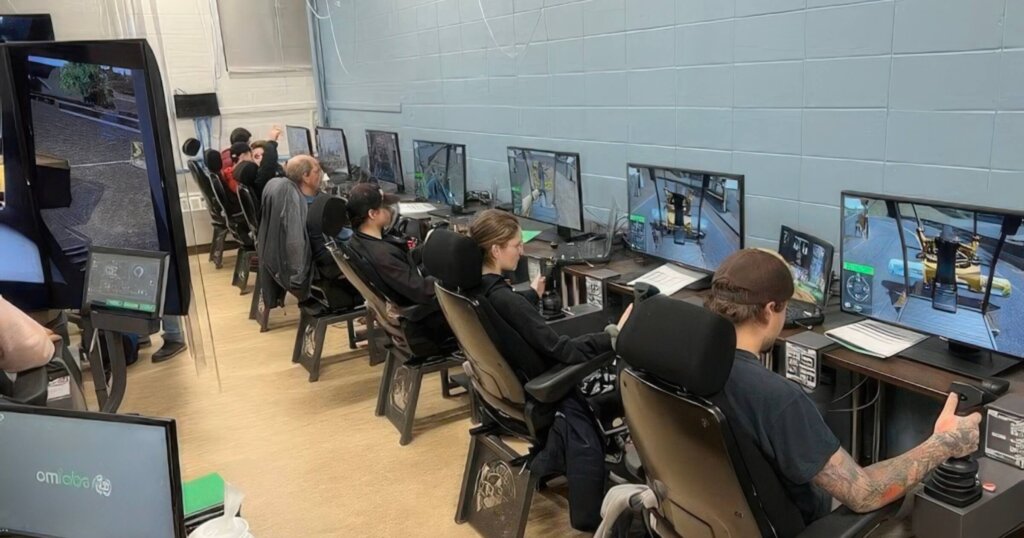
Virtual reality (VR) and augmented reality (AR) have officially moved onto the job site trailer. Construction companies are using VR to let new hires practice high-risk jobs in a 100% safe digital environment. A worker can experience what it feels like to operate a crane during high winds or walk along a high-lead scaffold without ever leaving the ground. Companies like CM labs and ITI are just a few at the forefront of virtual simulation training. This hands-on practice helps students build muscle memory and confidence before they ever step into a machine.
Recent studies found that immersive training can increase a worker’s memory retention by up to 75%. In contrast, traditional classroom lectures often have a retention rate of only 10%. When workers actually perform the task in a simulation, they are much more likely to follow the correct safety steps when they get to the real job site.
Augmented reality is also contributing to daily safety. Many crews now use AR to overlay digital twins onto physical equipment through their mobile devices or smart glasses. This allows a mechanic to look at a complex machine and see digital labels that point out hidden hazards, high-pressure lines, or emergency shut-off valves. By making the invisible visible, AR helps prevent accidental injuries during maintenance and repairs.
Trend #3: Wearable tech and biometric monitoring
Wearable technology has become the new standard for the connected worker on modern job sites. In 2026, smart vests, helmets, and watches do much more than just track a person’s location. These devices now monitor vital signs in real time, including heart rate, core body temperature, and even blood oxygen levels. This technology is changing the game for outdoor projects where heat exhaustion and physical overexertion are constant risks.
These wearables act as a personal safety coach for every crew member. For example, a smart watch might vibrate to warn a worker if their heart rate is too high or if they are showing early signs of heat stress. Some smart vests can even detect if a person has been standing in a high-strain posture for too long and suggest a quick stretch or a change in position. This immediate feedback helps workers listen to their bodies and take breaks before a small strain becomes a serious injury.
This data also helps safety managers make better decisions for the entire team. By looking at anonymous trends, managers can see when and where workers are becoming most fatigued. They can then adjust work schedules or relocate water stations to keep everyone hydrated. According to a 2024 report from the National Safety Council (NSC), using wearable sensors to monitor musculoskeletal stress can reduce injuries from lifting and reaching by 50%.
Trend #4: Gamified learning and micro-learning
To combat training fatigue, many construction firms are now using gamification to make safety training more engaging. By adding features such as leaderboards, digital badges, and safety challenges to mobile apps, companies are seeing a significant increase in workers’ engagement with the material. Instead of viewing safety as a boring chore, workers can compete with their teammates to see who can spot the most hazards or complete the most modules correctly.
Another major shift is the move toward micro-learning. Instead of forcing workers to sit through a four-hour video once a year, companies are breaking the information down into five-minute bursts. Workers can complete these short lessons on their phones during their morning coffee or lunch breaks. This keeps safety top of mind every single day, rather than something they only think about during an annual meeting.
This bite-sized approach is much better for how our brains work. Research suggests that learning in small chunks makes it easier to remember the information later. Since the lessons are short and interactive, workers are more likely to pay attention and apply what they learn as soon as they return to the job site. This trend is helping firms create a culture of safety in which learning happens naturally throughout the day.
Trend #5: A renewed focus on mental health and total worker health
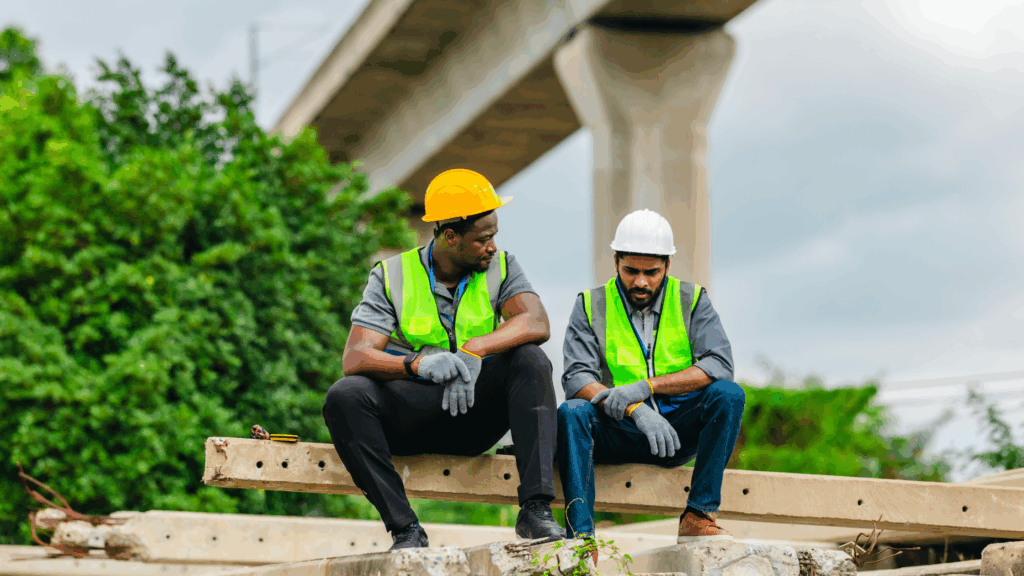
Safety training is finally addressing the invisible hazards that live off the blueprints. For decades, the industry focused almost entirely on physical risks like falls and equipment accidents. However, construction has one of the highest suicide rates of any industry, roughly four times the national average. Because of this, modern safety programs now include mandatory training on mental health, substance abuse, and stress management to protect the whole person.
This trend is often called Total Worker Health, a term developed by the National Institute for Occupational Safety and Health (NIOSH). It recognizes that a worker who is distracted, anxious, or experiencing burnout is at a much higher risk of a physical accident on the job. By integrating mental health resources into daily safety briefings, companies are working to “remove the mask” and stop the stigma that has kept many workers from asking for help in the past.
The results are already starting to show. Recent data shows a modest drop in suicide rates among construction workers as more firms adopt peer-support networks and psychological safety training. By treating mental health with the same seriousness as a trip hazard, the industry is building a stronger, more resilient workforce.
Trend #6: Predictive analytics for leading indicators
In the past, safety success was measured by looking at lagging indicators; things that already happened, like injury rates or lost workdays. Now, the industry is shifting toward leading indicators. These are signs that can predict a future accident before it occurs. Safety leaders now use predictive analytics software to crunch data from daily activities to see where the next risk might be hiding.
This technology tracks multiple data points simultaneously. For example, the software looks at how many people are participating in morning toolbox talks and the number of near-miss reports filed by the crew. It even considers external factors, such as local weather patterns. If the data shows that a crew is working long hours in high humidity while participation in safety meetings is dropping, the system flags that project as high-risk.
This proactive approach allows managers to step in before a mistake happens. According to recent industry reports, firms that focus on these leading indicators can reduce their injury rates by nearly 35%. By using data to stay one step ahead, safety teams can choose the perfect time to pause for a safety stand-down or add extra inspections on days when the risk of an incident is highest.
Trend #7: Digital twin integration for safety planning
Before a single shovel hits the dirt, many contractors in 2026 are using digital twins to plan for safety. A digital twin is a perfect virtual 3D replica of the actual job site and the building being constructed. By simulating the entire construction sequence in this digital world, safety teams can spot dangerous clashes long before they happen in real life. For example, the software might show that a crane’s swing path will cross a busy pedestrian walkway or that a delivery truck will have a blind spot near a workers’ break area.
Identifying these risks weeks in advance allows managers to adjust the site layout without halting work or incurring extra costs. It also provides a powerful training tool for the crew. Instead of just looking at a flat map, workers can take a virtual tour of the site as it will look in two months. They can see exactly where the heavy machinery will move and where the designated safe zones are.
This type of planning significantly reduces the number of unexpected hazards on site. Companies that use digital twins for safety planning see a significant decrease in field-based safety modifications. By building the project virtually first, safety leaders can ensure that the physical job site is set up for success from day one.
Trend #8: OSHA’s 2026 focus on heat and silica standards
Regulatory training is quickly catching up to new environmental realities. In 2026, OSHA moved forward with much stricter enforcement regarding heat illness prevention and crystalline silica exposure. Because global temperatures continue to rise, working in the heat is now considered a major health hazard that requires specific, documented training for every worker on the site.
Under these standards, safety programs must now include specific training on acclimatization. This is the process of gradually increasing a worker’s exposure to heat so their body can adjust safely. Training also covers mandatory, documented hydration plans that teach workers exactly how much water they need based on the site’s Wet Bulb Globe Temperature (WBGT).
Silica dust training has also become more advanced. Since silica dust is generated by cutting, drilling, or grinding stone and concrete, it can cause permanent lung damage if inhaled. In 2026, training programs must show workers how to use the latest integrated water delivery systems and high-efficiency vacuums that catch dust at the source. OSHA now requires firms to prove their workers know how to inspect and maintain these dust-control tools, ensuring that safety measures are in place to prevent the hazard from entering the air in the first place.
Trend #9: Robotics and automation orientation
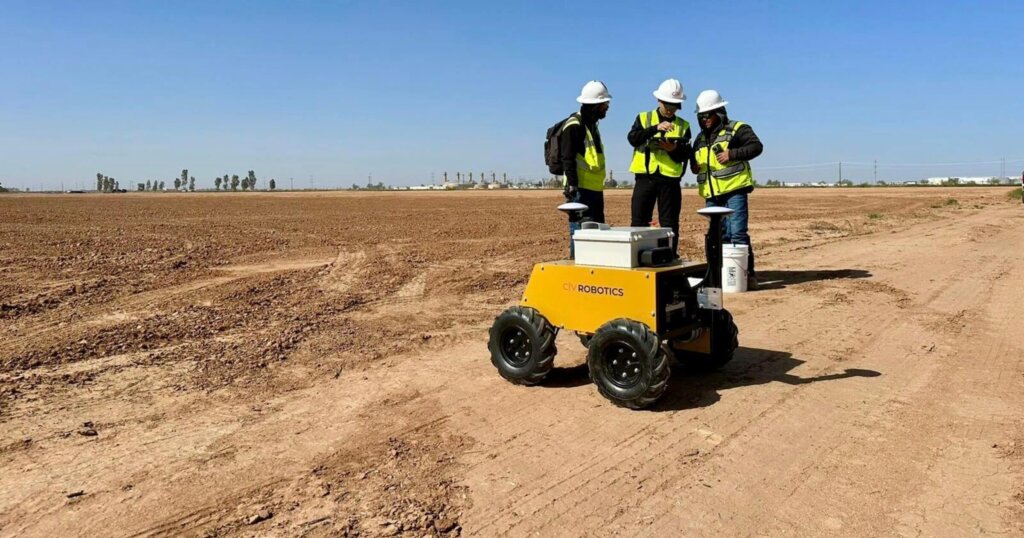
As specialized robots like the Hadrian X for bricklaying and the CivDot for surveying become common on sites, safety training is evolving to include human-robot interaction. It is no longer enough to just watch out for other people or human-operated vehicles. In 2026, workers are being trained to safely share a confined workspace with autonomous machinery that moves and reacts differently than a human would.
A major part of this new training focuses on red-stop events and troubleshooting. Workers must learn how to approach a robot that has stopped due to a sensor error without accidentally triggering a restart. Training modules now cover how to read robotic status lights and avoid a robot’s blind spots, areas where its sensors might not detect a human worker.
This shift ensures that automation makes the job easier without creating new dangers. Companies are finding that when workers understand how a robot thinks and moves, they feel more comfortable working alongside it and work more efficiently. By treating robots as part of the team, firms are reducing the risk of collisions and ensuring that these high-tech tools stay as safe as they are productive.
Trend #10: Mobile-first safety apps and instant reporting
The paperless job site is finally a reality. Roughly 78% of construction workers now access their safety manuals, permits, and equipment checklists directly through mobile apps. This shift has replaced heavy binders and messy stacks of paper with real-time data that lives right in a worker’s pocket. By moving everything to a mobile-first system, safety information is always up to date and much easier to find when someone has a quick question in the field.
The biggest benefit of this trend is the ability to report hazards instantly. In the past, reporting a broken railing or a spill might have involved finding a supervisor and filling out a paper form that wouldn’t be seen until the end of the shift. Today, a laborer who finds a tripping hazard at 8:00 a.m. can immediately take a photo and flag it in the app. By 8:05 a.m., every other worker on the site receives a notification on their device to watch out for that specific area.
This speed of communication is saving lives and preventing injuries before they happen. Mobile apps also support digital signatures, which confirm that everyone has read the daily safety briefing before work begins. According to recent industry surveys, companies that use mobile-first reporting see a 40% faster response time for fixing site hazards. This technology ensures that safety is a constant conversation among everyone on the project.
Bottom line
The safety training landscape in 2026 is defined by a blend of high-tech hardware and a more human-centered approach to worker well-being. By embracing these trends, contractors are doing much more than just staying compliant with the law. They are building a genuine culture where technology supports human intuition, and every worker has the tools and support they need to return home safely at the end of every single day.
Further reading
- Active teaching is the most effective safety training method
- Safety trends to watch in construction in 2026
- Best safety management software for construction work
Stay ahead of the latest AEC tech and safety updates. Subscribe to our newsletter today to get industry trends and expert insights delivered straight to your inbox.