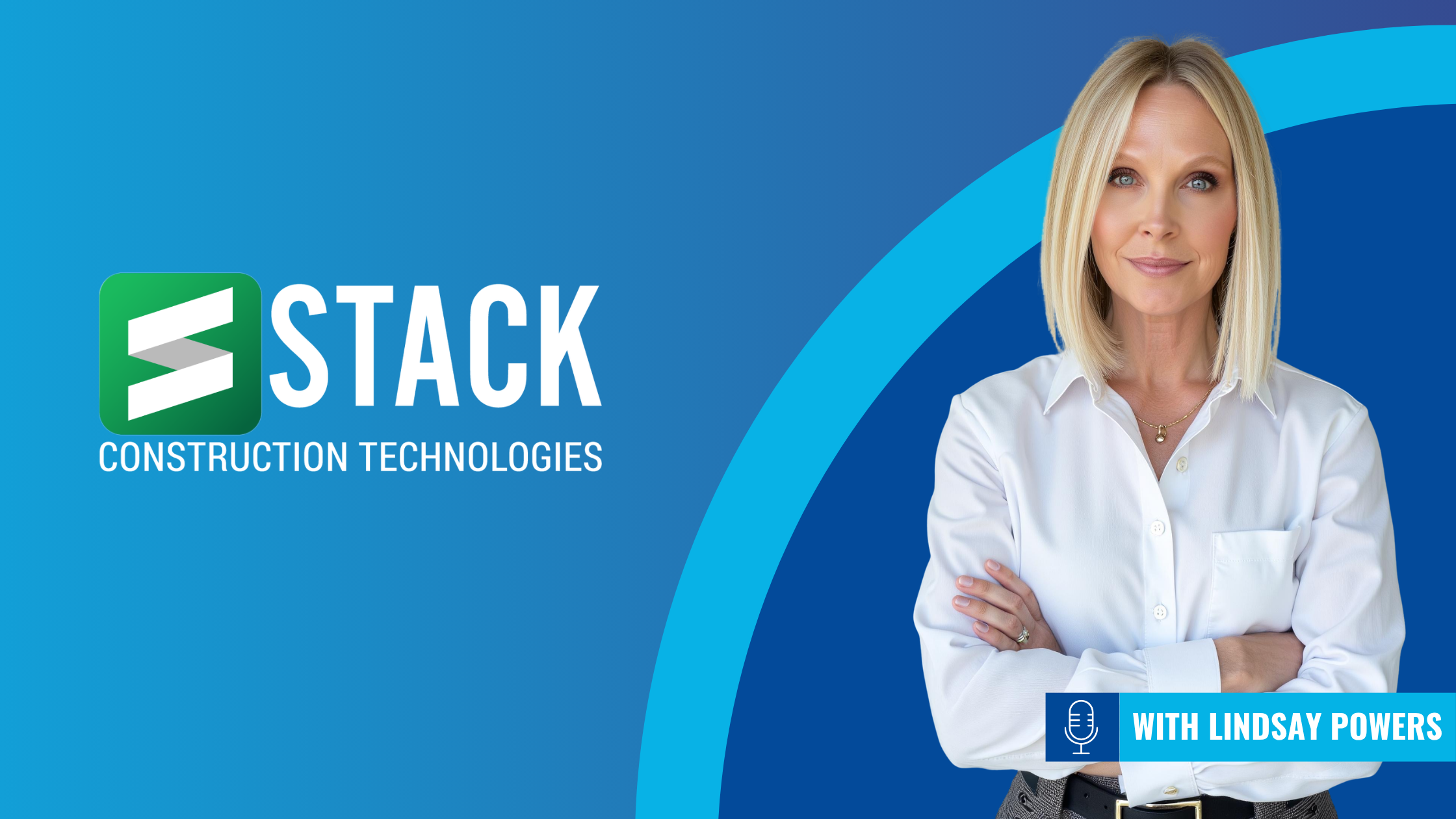
The 2026 STACK report reveals that while more women are entering construction than ever before, the industry faces a hidden crisis in keeping them on the job. We sat down with Lindsay Powers, SVP of Marketing at STACK, to discuss how internalized bias at the executive level and a lack of active sponsorship are stalling progress for female leaders. This guide breaks down the latest data and identifies the specific cultural shifts needed to turn temporary hiring wins into long-term career success.
Why visibility isn’t enough
On the surface, the numbers look like a victory. Women’s visibility in the construction industry has reached a 20-year high, currently at about 11.7% of the workforce. But while the industry is getting better at bringing women through the front door, it is still struggling to break through that 12% barrier.
The conversation usually focuses on the labor shortage and the need to recruit more people. But the data shows that recruitment is no longer the main bottleneck. “Retention is going to be an even greater challenge and probably even more important because all of these issues that we are talking about today—safety, advancement, leadership, mentorship, sponsorship—all of those challenges now compound when somebody is there,” says Powers.
Getting women into the field is only half the battle, and solving the hurdles they face once they arrive is now more important than ever.
The aha moment: internalized bias at the C-suite
When the STACK team first looked at the 2026 data, they found a surprising reality that complicates the usual story of progress. It turns out that the barriers holding women back are not just being pushed by men in the industry. Approximately 35% of people in C-suite positions, including both men and women, still believe that construction will never be an ideal job for women.
This suggests that internalized bias is a very real force. When even the people at the top have doubts about whether women belong on a jobsite, those old cultural norms start to fester. Without enough women in high-level leadership positions to challenge these views, there is nobody to hold space for the next generation.
“[The data] means this simply isn’t a men doing this to women story,” Powers says. “I think it’s surprising because it means that women can perpetuate the same cultural norms that hold other women back.”
Mentorship vs. sponsorship: auditing the informal network
There is a major difference between giving someone advice and actually opening a door for them. While mentorship is helpful for providing direction and career tips, it is often not enough to move the needle for women in construction. Sponsorship is the real game-changer because it involves active advocacy. A sponsor talks about you when you’re not in the room.
“Sponsorship is actively advocating for women to move forward. And I think where leaders can make a real difference is by participating in that shift, like auditing informal networks,” says Powers.
Many career-defining conversations happen in shared spaces like the golf course, a happy hour, or even a group text. If women aren’t invited into these spaces, they miss out on the organic sponsorship that leads to promotions.

This shift is especially important because of the potential-versus-accomplishment trap. In many corporate cultures, men are often promoted based on their future potential, while women are expected to have already accomplished the work before they are considered for a step up.
“Being really deliberate about documenting the criteria that is required to get to that promotion is really important,” Powers says. “I think women leaders can play a really active role in that, and ensure they’re not accidentally holding women to a higher standard.”
Using tech to bypass the “Boys Club”
Technology is starting to act as a powerful equalizer on the modern jobsite. When a company moves toward documented, data-driven workflows, the “who you know” culture starts to fade. If a worker’s results are visible in the software to everyone, their impact on the organization becomes undeniable.
“From a technology standpoint, we genuinely believe that workflows and performance are documented and data-driven,” says Powers. “Advancement becomes less dependent on who you know or whether you’re in the right rooms or the right after-hours conversations when those things are visible. So if your results are documented, it levels the playing field for everyone.”
The rise of construction technology is also creating a massive influx of “off-site” roles. Positions in pre-construction, estimating, and virtual design and construction (VDC) are wide open for talent. These roles take the focus off boots and dirt and put it on problem-solving and communication. As tech adoption accelerates, the industry is finding that women are perfectly poised to fill these critical gaps in the labor market.
PPE and psychological security
One of the most surprising findings in the 2026 report is that basic physical safety is still a struggle for younger workers. About 30% of Gen Z and Millennial women reported that they are still being forced to wear ill-fitting PPE or equipment. This suggests that inclusive safety is not being prioritized in project budgets or that the supply chain is failing to keep up with a changing workforce. When a harness or a pair of gloves doesn’t fit, it’s a direct hazard.
Safety also goes beyond what you can see. True site safety includes psychological safety, in which workers feel comfortable reporting harassment or concerns without fear of losing their jobs. In the report, one in five women reported feeling unsafe because they were afraid to voice their concerns.
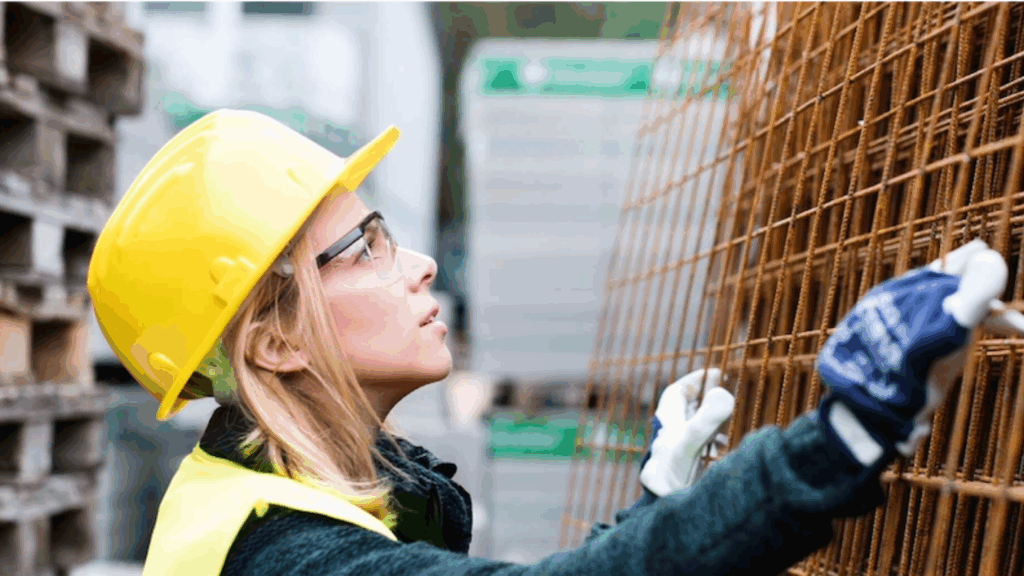
“There has to be a shift from leadership to acknowledge that safety is also the unseen and the silence that is happening on the harassment side and making sure that there are avenues where people feel comfortable enough to speak up,” Powers advises.
This friction is felt most acutely by the youngest generation. Gen Z women are reporting issues like mansplaining at a much higher rate than older generations. This is likely because they have a heightened awareness of workplace culture and mental health that previous generations did not. They are more willing to talk about these issues openly, which is the first step toward fixing them.
Three metrics for 2026: from talk to measurement
To make real progress, construction firms need to move away from vague promises and start tracking specific data. According to Powers, if an organization wants to see a demonstrative change, it should focus on three key areas:
- Intentional hiring: Rather than aiming to meet a diversity quota, women should be hired specifically to bring diverse perspectives to problem-solving and safety culture.
- Retention rates: Firms need to track where the leaks are in their talent pipeline. Getting women in the door is only a success if they stay to build a career.
- Upward mobility: Documenting clear and non-gendered criteria for every promotion removes the guesswork. Tracking who moves up the ladder holds leadership accountable for their promises.
Choosing assertiveness over “bossy”
Many women in the industry still pay a calibration tax every day. They have to constantly balance being direct enough to be taken seriously without being labeled as “bossy” or “aggressive.” In fact, 41% of women reported that they have to work harder to establish credibility than their male counterparts. Moving forward, the industry needs to change the language and assumptions around labeling and recognize that assertiveness is a leadership strength, not a personality flaw.
Despite these challenges, Powers retains a strong sense of optimism for the future. Construction remains one of the most economically resilient and well-compensated fields in the world. As technology continues to level the playing field and leadership begins to prioritize data-driven transparency, the door is wide open for women to build significant legacies in the AEC world.
“The opportunity for women to build long, well-compensated careers is genuinely significant. I am really thrilled to be at the center of the technology boost that is going to help women to expand their opportunities to grow in the field.”
Want more insights on the future of the construction workforce? Subscribe to our newsletter to get the latest AEC news and interviews delivered straight to your inbox.